

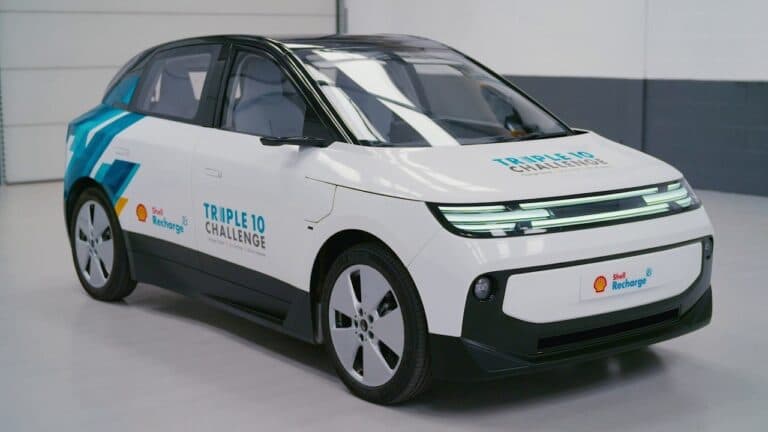



The ongoing tensions between the United States and Iran serve as yet another reminder to the world of just how deeply intertwined global politics and the oil markets are. Whenever instability arises in major oil-producing regions, the effects quickly ripple out across the global economy. Rising oil prices, higher fuel costs and supply disruptions are often the first signs of such crises. As petrol prices soar and uncertainty spreads across energy markets, a key question is once again being asked around the world: is the future of transport electric?
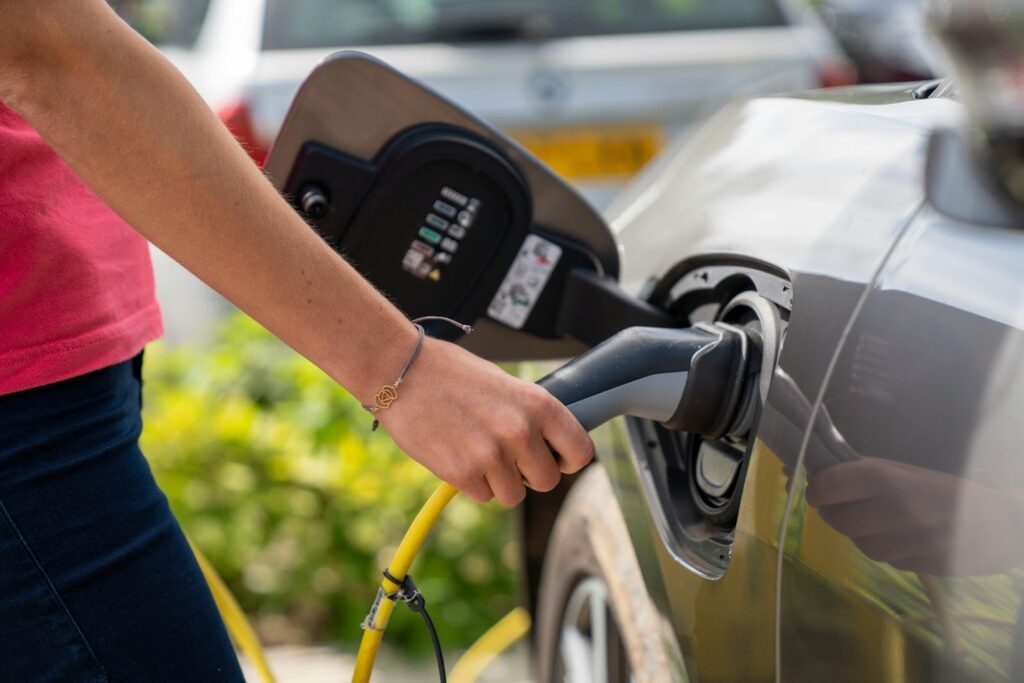
Here are the main reasons why the current oil crisis and geopolitical instability are strengthening the case for electric vehicles.
1. Oil wars have always shaped the global economy
For over a century, oil has been one of the most strategically important resources on Earth. Countries have formed alliances, waged wars and shaped their foreign policies around energy supplies.
When conflicts break out in major oil-producing regions, the markets react immediately. Shipping routes become vulnerable, supply chains are threatened and energy prices rise sharply.
The Middle East remains one of the world’s most important oil-producing regions. A large proportion of global oil exports passes through strategic narrow sea lanes such as the Strait of Hormuz. Any military escalation in the region immediately raises concerns about disruptions to oil supplies.

History has repeatedly shown that global conflicts in oil-producing regions can lead to significant price rises. These price rises affect transport, manufacturing, agriculture and almost every sector of the economy.
2. Rising oil prices have a direct impact on consumers
When oil prices rise, the most immediate impact is felt at the petrol pump. Drivers suddenly find themselves facing higher fuel costs, which can significantly increase household expenditure.
Higher petrol prices also affect the cost of goods and services. Transport companies have to spend more on fuel, airlines face higher operating costs, and freight rates are rising. These increased costs often feed through to the wider economy, contributing to inflation.
Families who rely heavily on petrol-powered vehicles feel the pinch most acutely. Long commutes, transport needs and daily journeys become more expensive when oil prices rise.
This cycle has repeated itself time and again throughout modern history whenever geopolitical tensions have disrupted energy markets.

3. Electric vehicles are breaking our dependence on oil
Electric vehicles offer a key advantage over traditional petrol cars: they do not rely on oil.
Instead of petrol or diesel, EVs run on electricity, which can be generated from a variety of energy sources, including natural gas, nuclear power, hydroelectricity, solar power and wind power.
This flexibility significantly reduces the impact of oil market volatility on transport. When oil prices rise due to a conflict, drivers of electric vehicles are largely shielded from these price shocks.
Electromobility enables countries to rely more on domestic energy production rather than on imported oil, thereby strengthening national energy security.

4. Lower operating costs for drivers
One of the main advantages of electric vehicles is that they are cheaper to run than petrol cars.
Electricity is generally cheaper than petrol on a per-kilometre basis. Even when electricity prices fluctuate, they rarely experience the dramatic spikes that oil markets often face.
EV drivers can also charge their vehicles at home, avoiding the need for frequent stops at petrol stations.
In the long term, fuel savings can add up to a significant amount, particularly during periods when petrol prices rise due to geopolitical crises.

5. Electric vehicles require less maintenance
Traditional petrol engines contain hundreds of moving parts, including pistons, valves, exhaust systems and complex mechanical components.
These systems require regular maintenance, such as oil changes, engine servicing and exhaust repairs.
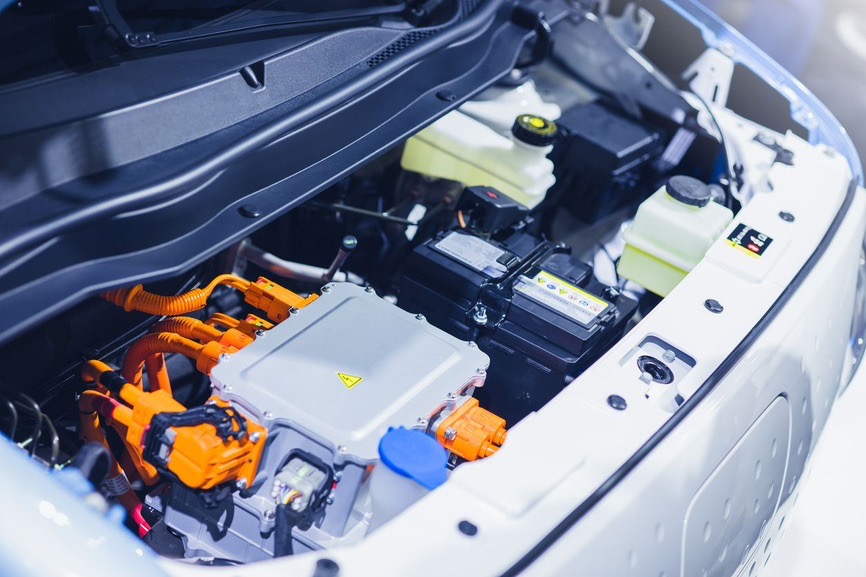
Electric vehicles are much simpler mechanically. They use electric motors with far fewer moving parts and do not require engine oil, spark plugs or complex transmission systems.
This reduced mechanical complexity means that EV owners often incur lower maintenance costs over the vehicle’s lifetime.
6. Battery technology has improved rapidly
The first electric vehicles were criticised for their limited range and long charging times. However, battery technology has advanced dramatically in recent years.
Modern EVs can now travel hundreds of kilometres on a single charge, making them practical for both daily commutes and long-distance journeys.
Fast-charging networks are expanding rapidly, enabling drivers to recharge a significant portion of their battery in a short space of time.
As battery costs continue to fall and efficiency improves, electric vehicles are becoming more affordable and accessible to a wider range of consumers.
7. Expanding charging infrastructure
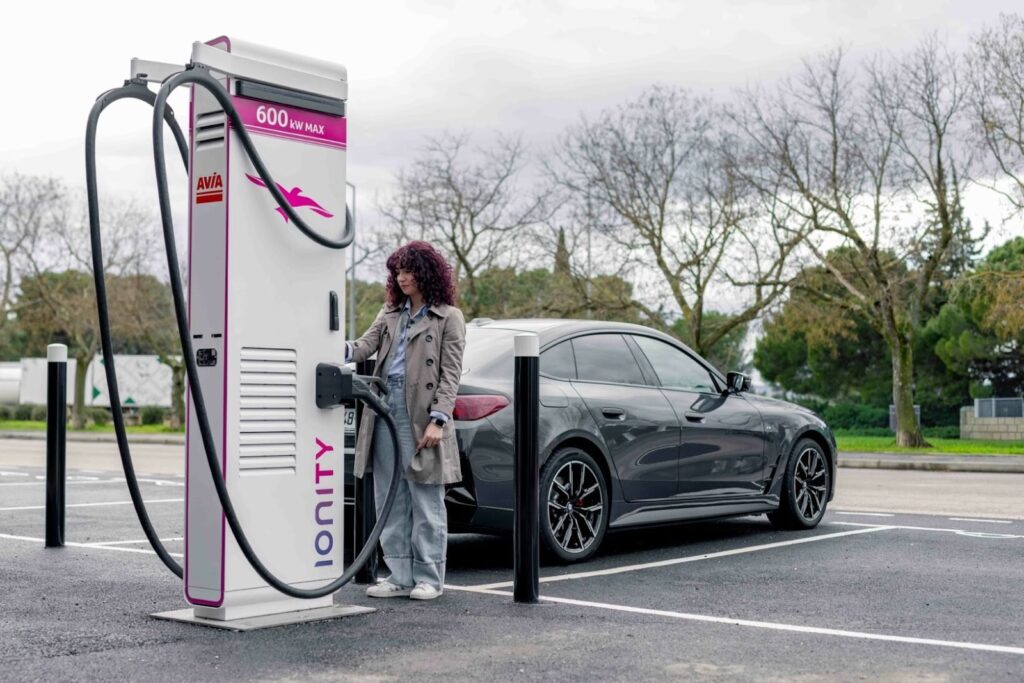
One of the main challenges to EV adoption in the past was the lack of charging infrastructure. This situation is changing rapidly.
Governments and private companies are investing billions of dollars in expanding charging networks in cities, on motorways and in rural areas.
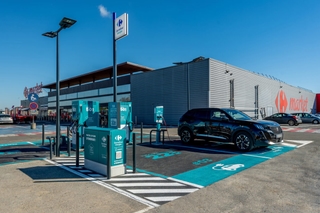
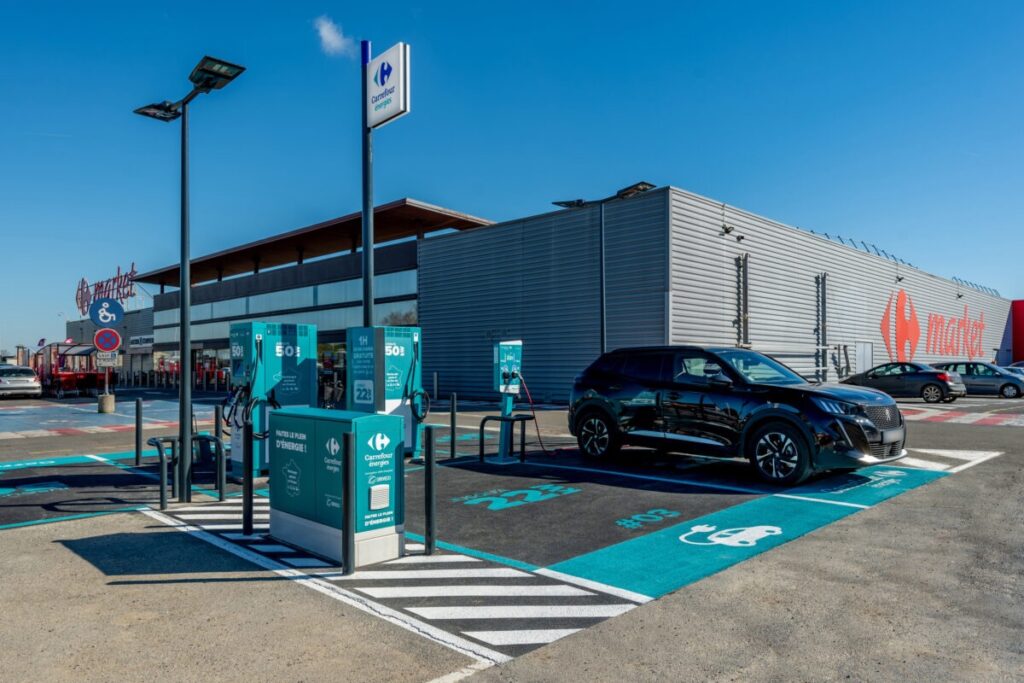
Public charging stations are becoming more common in shopping centres, office buildings, car parks and residential areas.
As charging networks expand, owning an electric vehicle is becoming more convenient and accessible for millions of drivers.
8. Environmental benefits of electric vehicles
Electric vehicles produce no exhaust emissions, which helps to reduce air pollution in cities.
Transport is one of the biggest contributors to global carbon emissions, and the switch to electric vehicles can significantly reduce the environmental impact.
Cleaner transport also improves public health by reducing harmful pollutants that contribute to respiratory diseases.
As renewable energy sources continue to expand, the environmental benefits of electric vehicles will increase even further.

9. Economic opportunities in the EV industry
The electric vehicle revolution is creating major economic opportunities around the world.
New industries are emerging in the fields of battery manufacturing, charging infrastructure, software systems and electric mobility services.
Countries that invest heavily in EV technology can secure leading positions in the future automotive market.
Battery manufacturing, in particular, is becoming a strategic industry, as batteries power both electric vehicles and renewable energy storage systems.

10. Energy independence for nations
Reducing dependence on imported oil can strengthen national security and economic stability.
Countries that are heavily reliant on oil imports are often vulnerable to international conflicts and supply disruptions.
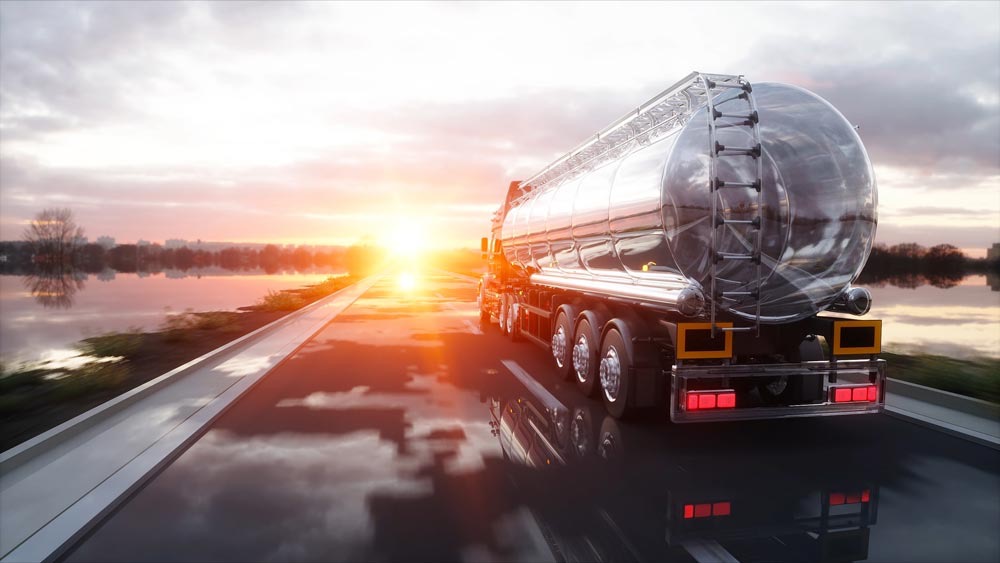
Electric vehicles enable countries to power their transport systems using locally generated electricity, thereby reducing their dependence on global oil markets.
This change could lead to more stable energy systems and reduce geopolitical vulnerabilities.
11. Consumer demand is growing rapidly
Public interest in electric vehicles has grown significantly over the past decade.
Many drivers are attracted by the combination of lower running costs, environmental benefits and advanced technology.
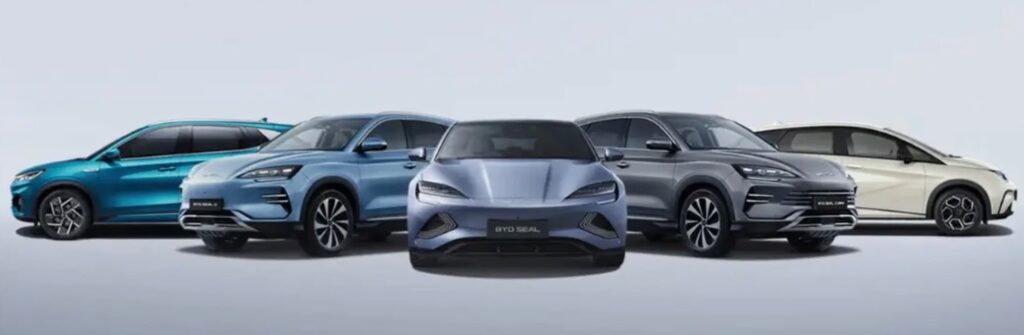
Car manufacturers are responding to this demand by expanding their ranges of electric vehicles and investing heavily in electrification.
As more models become available, consumers have more choice when switching to electric vehicles.
12. Geopolitical conflicts are accelerating the transition
Whenever the oil markets are disrupted by conflict or political instability, the appeal of electric vehicles increases.
Rising petrol prices highlight the vulnerability of transport systems that rely on oil.
Electric vehicles offer a path towards more stable and predictable transport costs.
For many consumers, repeated oil crises reinforce the view that moving away from petrol-powered vehicles could be the wisest choice in the long term.
Conclusion
The current tensions affecting global oil markets serve as a reminder of just how vulnerable traditional energy systems can be. When geopolitical conflicts disrupt oil supplies, the economic consequences are felt around the world.
Electric vehicles offer a powerful alternative to this cycle. By reducing dependence on oil and enabling transport to run on a variety of energy sources, EVs can help create a more resilient and stable energy future.
Technological advances, infrastructure expansion and growing consumer interest are already driving the global shift towards electric mobility.
As global conflicts continue to affect the oil markets, the transition to electric vehicles could accelerate even further.
What began as a technological innovation is now becoming a cornerstone of the future transport system. The electric vehicle revolution is no longer a distant possibility; it is rapidly becoming a defining feature of the modern energy era.