


With the launch of the new C-HR+, its successful compact SUV now fully electric, Toyota is making up for its ‘slow start’ in the EV market. Taking a cautious approach, the world’s leading carmaker is adopting a multi-energy strategy by developing several technologies, tailored to its various markets. This plan enables it to maintain a strong presence worldwide, reinforces its reputation for reliability, whilst retaining its expertise in hybridisation and innovation with hydrogen.
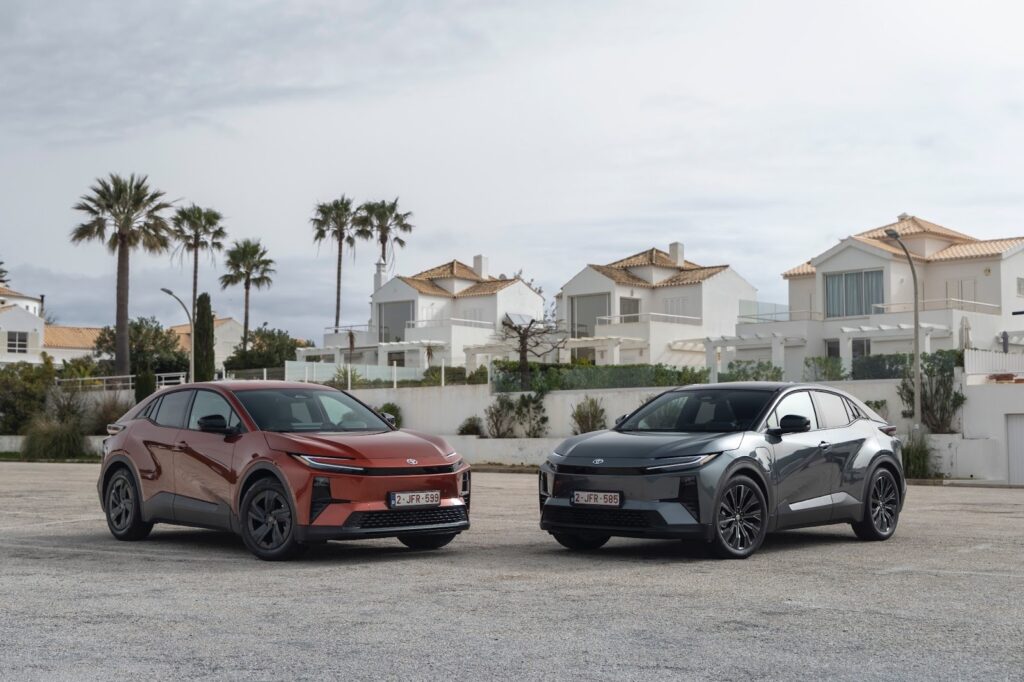
The C-HR+, Toyota’s second electric model for private customers
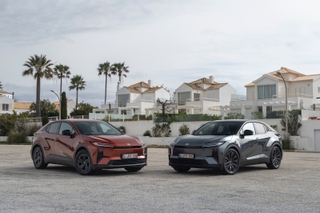
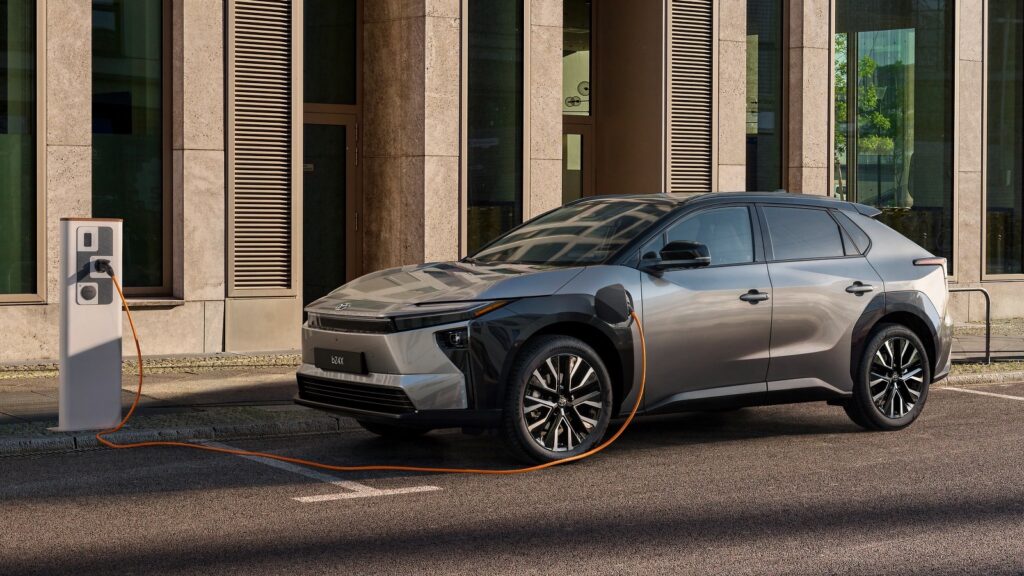
A few months after updating its bZ4X electric family SUV (which stands for Beyond Zero 4 Cross), Toyota is converting its best-seller, the C-HR+ (or C-HR ‘BEV’), to electric power. This 4.53-metre SUV is available with two- or four-wheel drive and two battery capacities (58 or 77 kWh), giving it a range of up to 607 km on the WLTP cycle. The technical specifications list three power outputs: 167, 224 or 343 hp. The styling and build quality are refined and should appeal to potential European customers, especially as its starting price (from €39,600) puts it in the running against its more advanced Chinese rivals. Toyota has taken its time to launch it, but the C-HR+ is the flagship of an electric range set to expand in the coming months (14 models planned by 2027).
Electric vehicles ‘Made in Japan’
If Toyota has kept a low profile in the electric vehicle market until now, it is primarily because the group prefers to develop its own manufacturing capabilities without partnering with Chinese manufacturers. This has led to the creation of a dedicated e-TNGA (electric Toyota New Global Architecture) platform, an e-Axle power unit (combining motor, gearbox and inverter) supplied by the Japanese firm Aisin, and lithium-ion batteries from PPES (Prime Planet Energy & Solutions), a joint venture between Panasonic and Toyota. The C-HR+ (just like the bZ4X SUV) is manufactured in Japan, a country whose production quality and reputation for reliability are well established, which should convince customers who are hesitant to take the plunge into electrification.
2025: a record year in Europe
This gradual entry into the electric vehicle (BEV) market complements the Japanese giant’s other strengths, namely its planned multi-technology strategy: hybrid and plug-in hybrid powertrains are being prioritised in the short term, pending the ramp-up of electric vehicle sales and, in the longer term, a mix of electric and hydrogen technologies.
Thanks to its technical expertise, Toyota is therefore able to continue developing hybrid vehicles (HEVs), plug-in hybrids (PHEVs) and hydrogen-powered vehicles (FCEVs) in parallel. All the while, it continues to produce internal combustion engines for its large 4x4s, such as the Land Cruiser, which are very popular in America and Africa.
To remain the world’s leading car manufacturer, the Toyota Group adapts to all markets, where demand varies greatly. In 2025, Toyota sold 11.3 million vehicles worldwide (up 4.6% on 2024). Europe recorded a record year with 1.2 million sales, three-quarters of which were electrified. These figures validate this multi-energy strategy, as needs vary depending on charging infrastructure, electricity prices, local environmental standards and available raw materials.
Solid-state batteries: Toyota’s next electric ‘r-evolution’
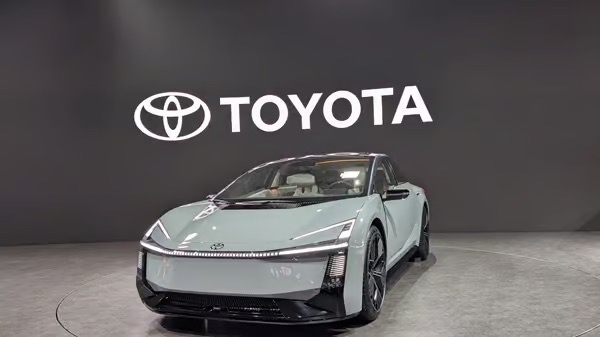
At the last Tokyo Motor Show in 2025, Toyota announced that an upcoming production vehicle would be fitted with solid-state batteries within a few months. Still at the prototype stage, this new battery chemistry promises to be revolutionary, with packs that are lightweight, compact and capable of delivering a much higher energy density than current lithium batteries. Range could triple, reaching up to 1,200 km on a single charge. This promise, which has yet to be realised in a real car, shows that the Japanese giant is moving at its own pace, following its roadmap and paying little heed to its competitors.
Hybrids: always at the forefront at Toyota
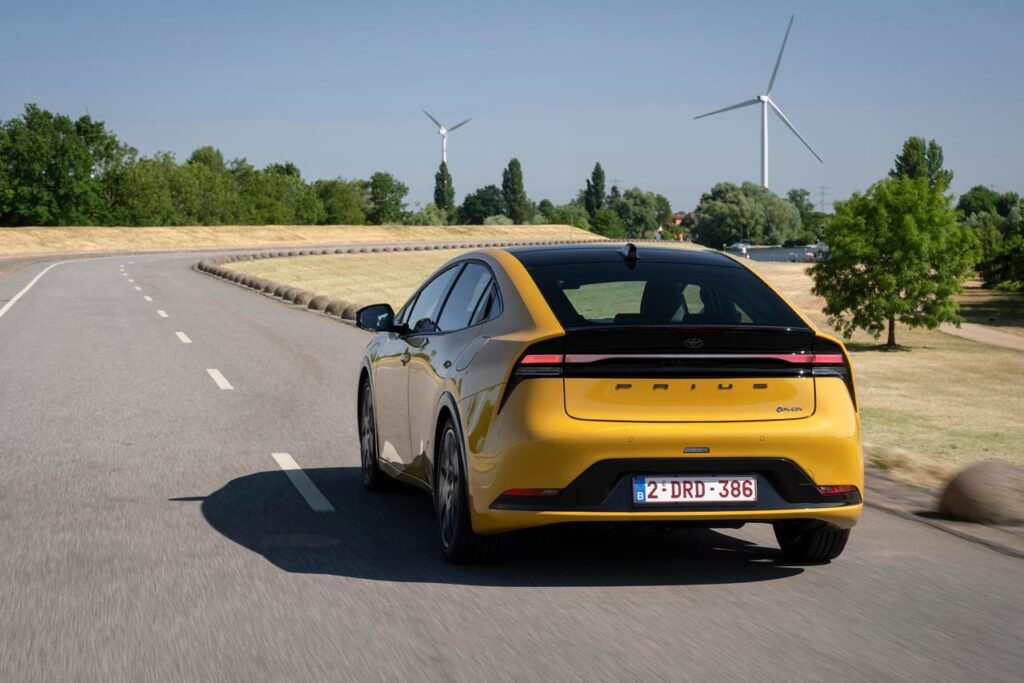
Since the launch of the Prius in 1997, Toyota has produced over 25 million hybrid cars worldwide. This innovative technology, which combines a petrol engine with an electric motor, is now fitted to a wide range of models: from the small Yaris HSD to the Lexus RX, LS and ES, as well as the RAV4, the Corolla and, soon, the Aygo X city car. In Europe, the reliability and ease of use of this technology have quickly won over motorists, who are enjoying significant fuel savings (around 3.3L/100km for a compact saloon such as the Corolla Hybrid).
The fifth-generation Prius is now a plug-in hybrid, with its average combined fuel consumption reduced to 0.7 L/100 km under the WLTP cycle. And when its battery is completely flat, the Prius operates as a fuel-efficient full hybrid – something its rivals cannot match. This is enough to meet EU regulatory requirements. Whilst its market share in plug-in hybrids remains modest, the Japanese group is demonstrating that it is capable of stepping up its efforts towards carbon neutrality.
Further proof of its ability to adapt to different markets is that Toyota has developed a flex-fuel hybrid engine specifically for Latin America, which runs on both petrol and E85 superethanol, which is particularly popular in Brazil.
Hydrogen: the energy of the future – Toyota is committed to it
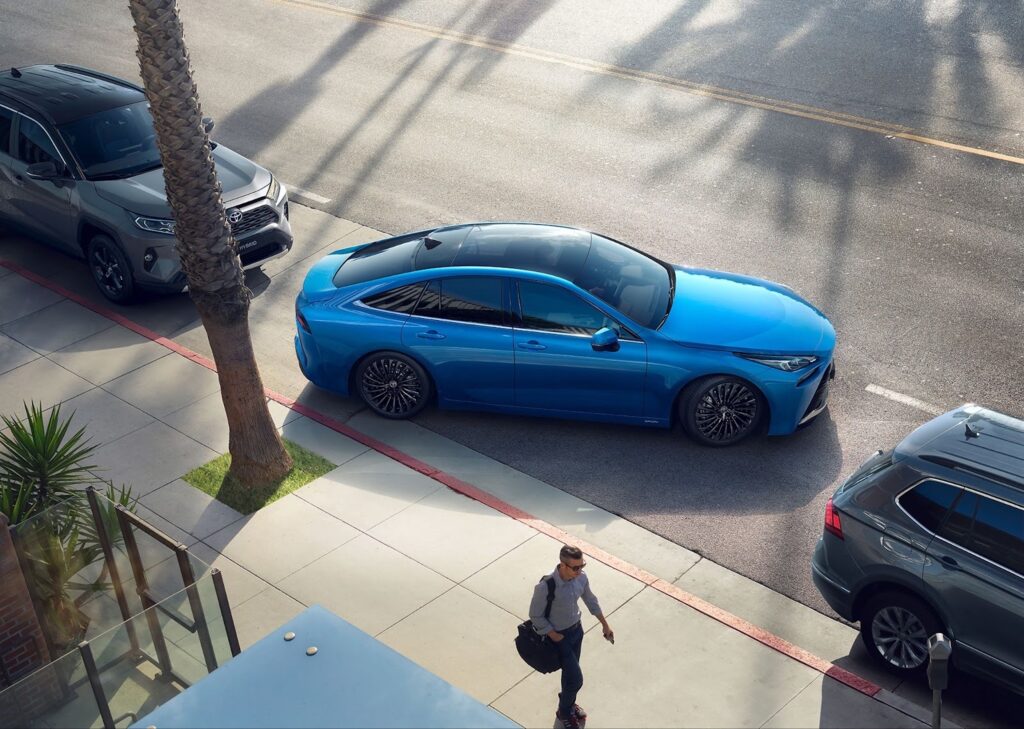
Unlike its competitors, Toyota does not believe in a one-size-fits-all solution for decarbonisation and has been working on hydrogen for many years. H2 powering a fuel cell represents a credible, zero-emission alternative, particularly for road transport, buses and corporate fleets. However, the Mirai saloon, equipped with a more compact and efficient third-generation fuel cell, is struggling to gain traction with private buyers due to its price (€73,000) and, above all, the lack of hydrogen refuelling points.
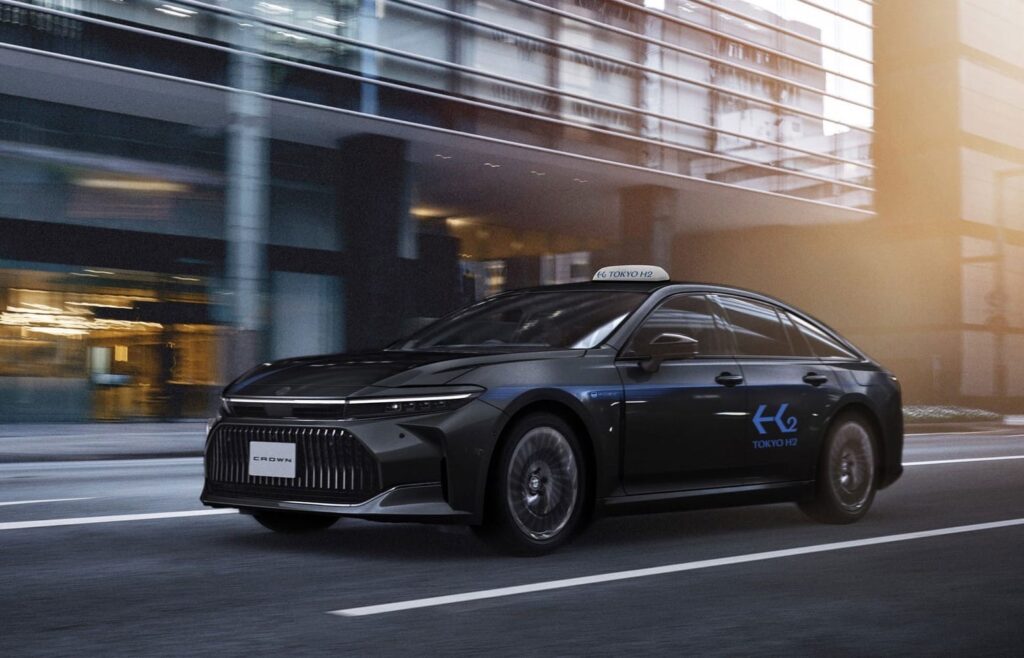
Toyota therefore aims to develop the entire hydrogen sector ecosystem through the TOKYO H2 project, launched in September 2025 in the Japanese capital: a fleet of vehicles (taxis, cars, buses), refuelling stations across the city, infrastructure and hydrogen production. A fleet of 600 Crown H2 taxis is set to hit the streets of Tokyo by 2030, turning the city into a real-world laboratory to refine this constantly evolving technology and raise public awareness of this new clean energy source. Designed as a hub, this pilot city could be replicated elsewhere in the world and continue to leave Toyota’s mark.
The global leader has therefore not yet completed its ‘multi-technology’ expansion across the 170 countries in which it operates.