







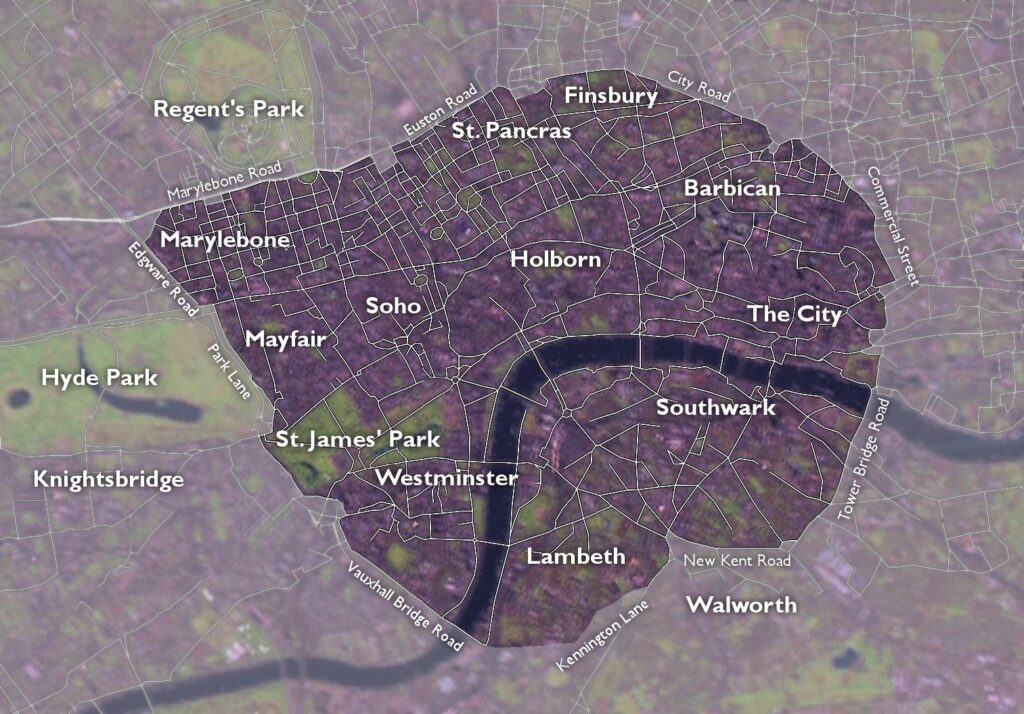
After more than a decade of almost total exemption, electric vehicles (EVs) will now have to pay the Congestion Charge when travelling in London city centre, a measure that came into force on 2 January 2026.
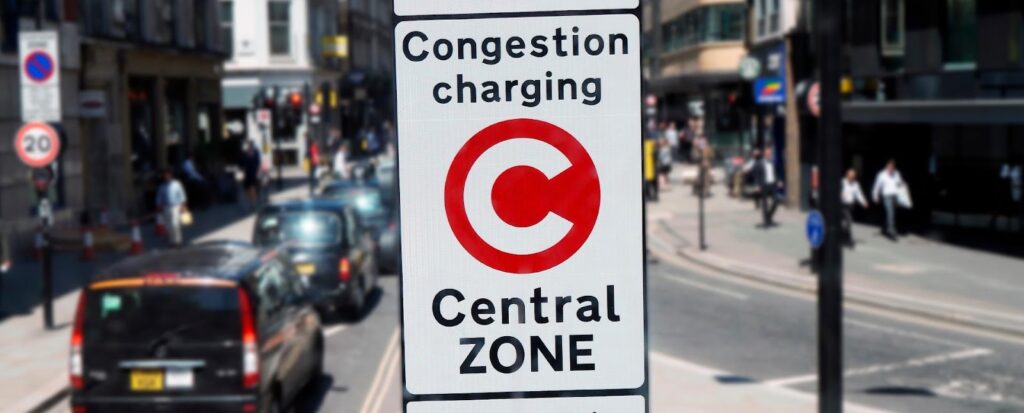
Until now, the Cleaner Vehicle Discount allowed electric cars to be exempted from the daily payment of this tax, which was introduced in 2003 to reduce congestion on London’s arterial roads. This exceptional scheme has been abolished, putting an end to one of the major incentives for EV users in urban areas.
Revised pricing
In concrete terms, the new pricing structure marks a clear break with the previous system. Electric cars will no longer be able to travel free of charge in the English capital’s city centre; they will now have to pay £13.50 per day provided they are registered with the Auto Pay scheme, which corresponds to a 25% reduction on the standard rate. Drivers of electric vans and light commercial vehicles benefit from an extra effort, with the cost reduced to £9 per day via the same automated system. On the other hand, for all vehicles, whether internal combustion or electric, not registered with Auto Pay, the charge is now £18 per day, compared with £15 previously.
These rates apply during the Congestion Charge’s normal opening hours, from 7am to 6pm on weekdays, and from 12pm to 6pm on weekends and public holidays, bearing in mind that the measure is designed above all to regulate traffic flows at the busiest times. This is the first increase since 2020.
Why the change now?
The London authorities, led by Mayor Sadiq Khan, believe that the total exemption for EVs is no longer compatible with traffic regulation objectives. « Without this change, an additional 2,200 vehicles would enter the defined zone every day ».
For Transport for London (TfL), the objective is clear: to modernise a system that has become less efficient in the face of traffic growth and the increasing use of electric vehicles, which are now so numerous that they are also having an impact on congestion in the city centre. Traffic jams cost London businesses nearly £3.85 billion every year.

A clear message to electric motorists… but not only
This strategic shift is not just about taxation: it is also about refocusing policy on urban traffic management, and not just on reducing local emissions. While it’s true that EVs don’t pollute when they’re in use, which is good for the climate and good for society, they still have an impact on traffic density, public space and the flow of traffic, which TfL believes London can no longer ignore.
Again according to TfL, the number of electric vehicles registered in London has risen from around 20,000 in 2019 to more than 116,000 in 2025. This growth means that EVs now account for almost 20% of all vehicles entering the congestion zone every day. In other words, of the 90,000 or so vehicles passing through the zone every day, around 1 in 5 is an electric vehicle.
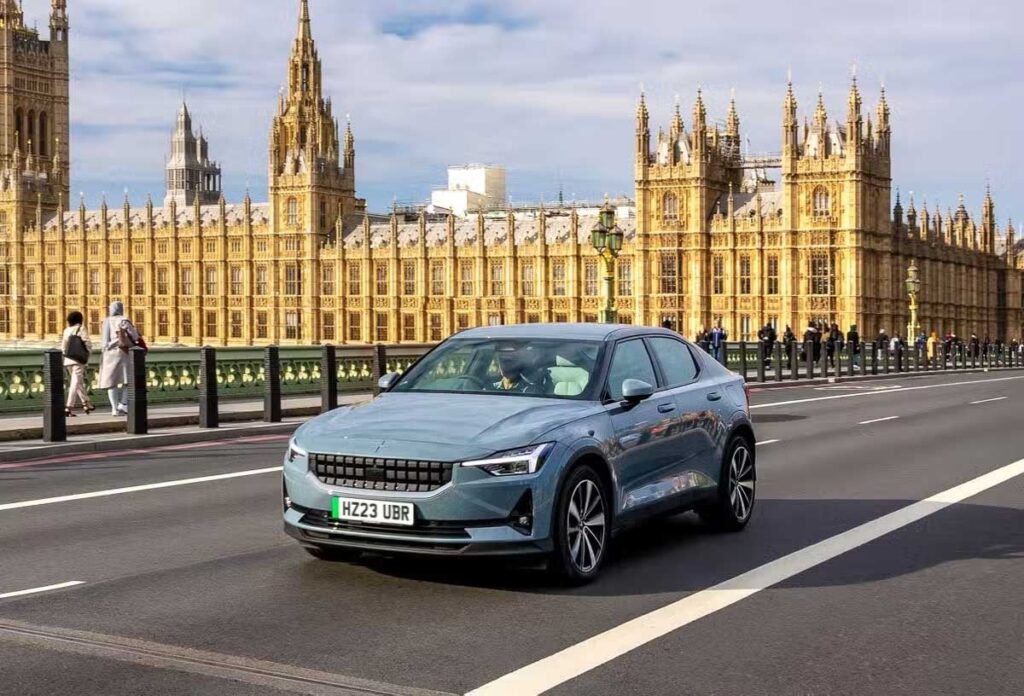
For drivers, this means an increase in the cost of using an EV in the city centre, even if the Auto Pay discount partially mitigates this increase. On a positive note, however, current residents of the zone who have been benefiting from significant discounts will continue to keep them, but new applications after March 2027 will be conditional on owning an EV.
Beyond that, the social dimension of this reform is largely ignored. Who can still afford to pay £13.50 or £18 a day to drive around central London? For many residents or workers dependent on their electric vehicle, this measure risks widening the divide between those who have the means or alternatives to do without their car and those for whom no efficient public transport is available: this is an issue of urban equity that the city seems to have overlooked.
The impact on urban electromobility
This London reform goes far beyond the tax issue alone. It illustrates a fundamental change observed in many cities, where electric vehicles are no longer approached solely from the point of view of emissions, but are integrated into more comprehensive mobility policies. Energy transition, flow management, the use of public space and the efficiency of urban travel are now intertwined in a single approach.
London’s decision is a reminder that while electric vehicles reduce local carbon footprints, they do not eliminate congestion or pressure on urban space. From now on, it is not just emissions that dictate taxation choices, but the overall impact of the vehicle on the fluidity and organisation of the city.