



With over 240,000 electric cars registered in March and nearly 560,000 across the first quarter as a whole, the European market continues to grow and is even picking up pace. Data published by E-Mobility Europe and New Automotive, which track EV adoption in Europe, show not only an increase but also a shift in the pace of the electric transition in transport.
+51% in a month: a milestone reached
In March 2026, registrations of fully electric cars surged by 51.3% across 15 key European markets, exceeding 240,000 units. Over the quarter, growth reached 29.4%, with nearly 560,000 vehicles registered.
Market share is following the same trend: around 22% of new cars sold in March are now electric. Over the quarter, it has exceeded 20%.
Chris Heron, Secretary General of E-Mobility Europe, describes this as one of the “most significant recent advances in energy security during a month in which dependence on oil has become a real vulnerability”. Behind this statement lies a concrete reality: the half a million electric vehicles registered over the quarter will reduce oil consumption by around two million barrels a year.

Fuel prices as a trigger
We’ve already discussed this, and you’ve no doubt seen it in the media: this surge hasn’t come out of nowhere. The energy situation in the Middle East at the start of 2026 played a decisive role, with soaring fuel prices. Between February and April, the price of diesel rose from around €1.67 to over €2.27 per litre, whilst 95-E10 unleaded petrol approached €2.
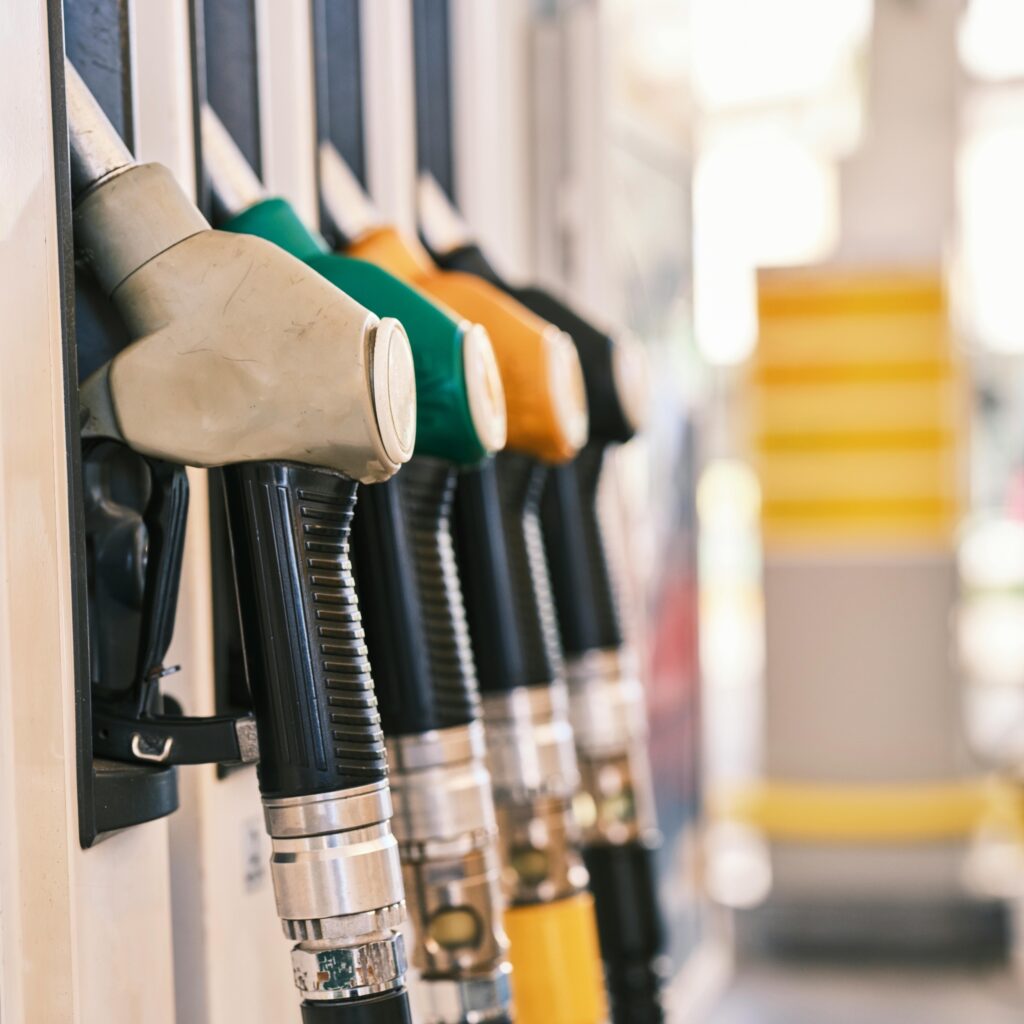
For many motorists, the need to switch to electric vehicles in order to keep running costs down became apparent very quickly. And, for once, this was no longer a long-term consideration, but a direct response to a budgetary constraint.
Ben Nelmes, CEO of New Automotive, sums up this shift: “Every electric car registered means one less dependency on imported oil.”

Widespread growth across Europe
What sets March 2026 apart from previous months is the geographical scope of the trend. France stands out with a nearly 28% share of the electric vehicle market in March, driven in particular by social leasing. Germany is regaining momentum, with one in four cars sold being electric.
But the most striking signs are coming from markets that have historically been slower to grow. Italy is recording growth of over 65%, whilst Poland is growing by nearly 80%. These two countries, which appeared to be lagging behind, demonstrate that no market is truly off-limits.
A transition that is changing in nature
March 2026 marks a turning point, because whilst the European transition to electric vehicles has so far relied heavily on public incentives and regulatory requirements, things are now different. Electric vehicles are now gaining ground because, in certain situations, the economic case for them is becoming clear.
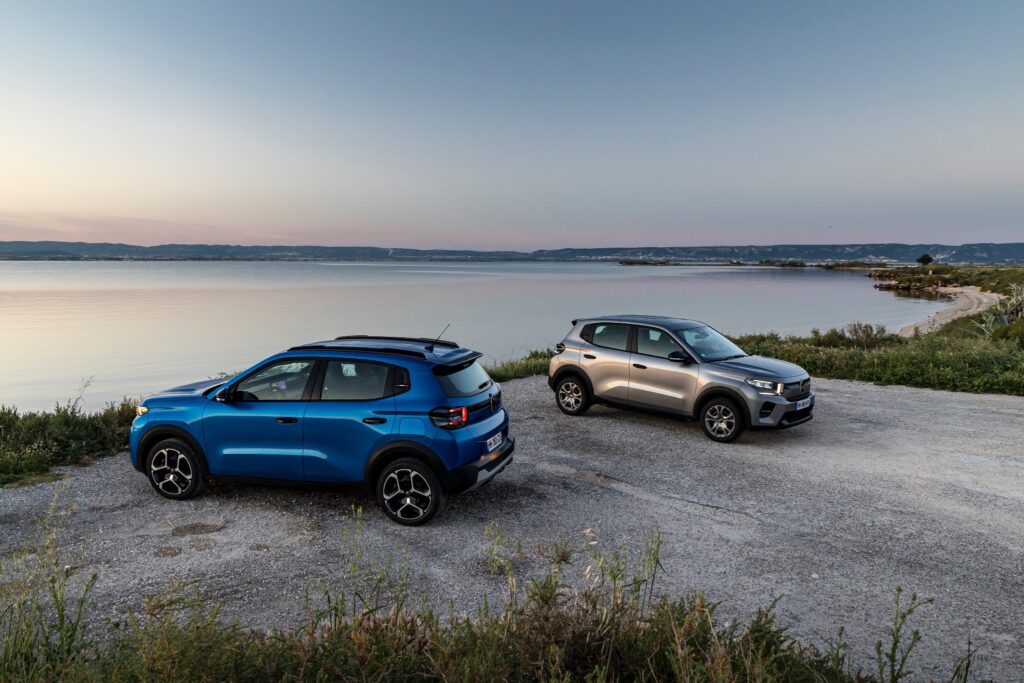
There is no doubt that fuel prices act as a catalyst, but they are not the only factor driving this change. Indeed, the range of options has expanded, prices have become more affordable, and people have a better understanding of how to use them.
The American paradox
What is ironic is that, in this context, a real paradox has emerged. This paradox concerns Donald Trump’s administration, which, since returning to the White House, has decided to cut or scrap several forms of support. Indeed, the $7,500 federal tax credit was scrapped in October 2025, and certain subsidies for charging points and equipment are also set to be phased out gradually.
Despite this, in the United States, following a very poor start to the year for EV sales, the market recorded over 100,000 sales in March 2026. This is where the paradox in question really comes into its own: it is the highest monthly figure since the tax credits were scrapped at the end of the third quarter of 2025.
A turning point rather than a peak
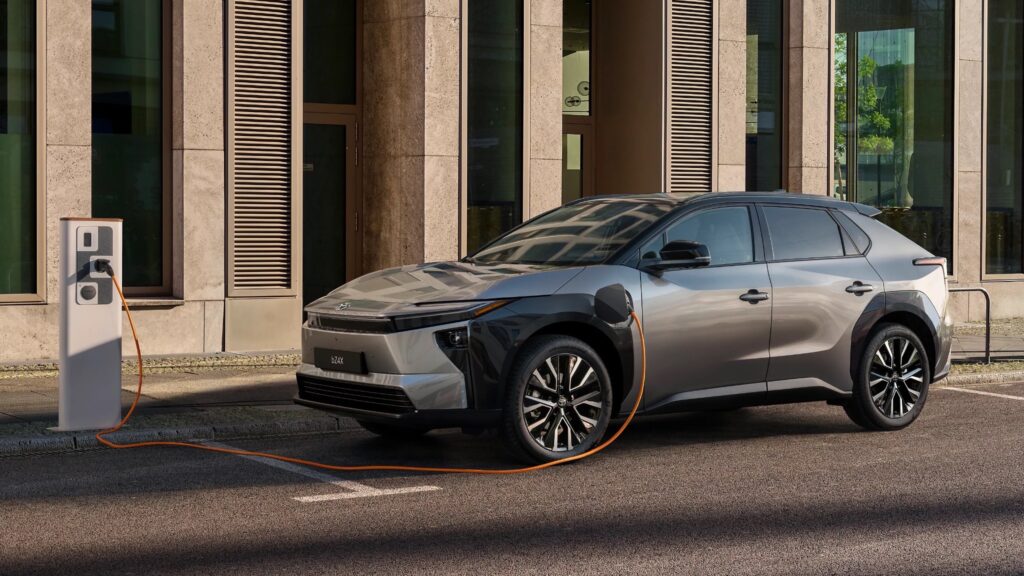
One question remains: is March 2026 merely a cyclical peak or a genuine turning point? Part of the rise can be attributed to orders placed before the energy crisis, which puts the immediate impact of fuel prices into perspective. However, consumer interest indicators are rising sharply. Indeed, the Centrale’s quarterly survey reports that 60% of respondents say the current geopolitical situation is increasing their interest in electric vehicles.
For the first time, electric cars are gaining ground for environmental, regulatory and immediate economic reasons. In an increasing number of situations, they are becoming the most sensible option available today.