

Following Porsche’s unveiling of the first GEN4 single-seater a few days ago, it is now official: Formula E is accelerating its transition into a new era. This time, it is Citroën and Opel – manufacturers owned by the Stellantis group – who are unveiling their first designs, confirming that the 2026/2027 season is no longer just a concept, but a reality already taking shape.
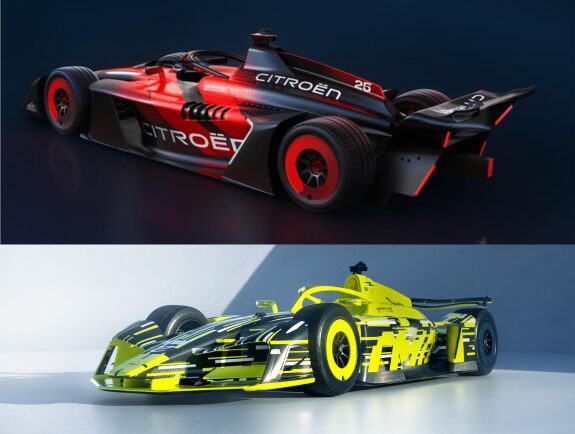
Citroën unveils a meticulously designed transitional livery
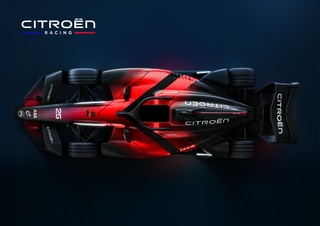
Just a few weeks after confirming its commitment to the GEN4 era at the Madrid E-Prix, Citroën has just unveiled the first visual renderings of its single-seater.
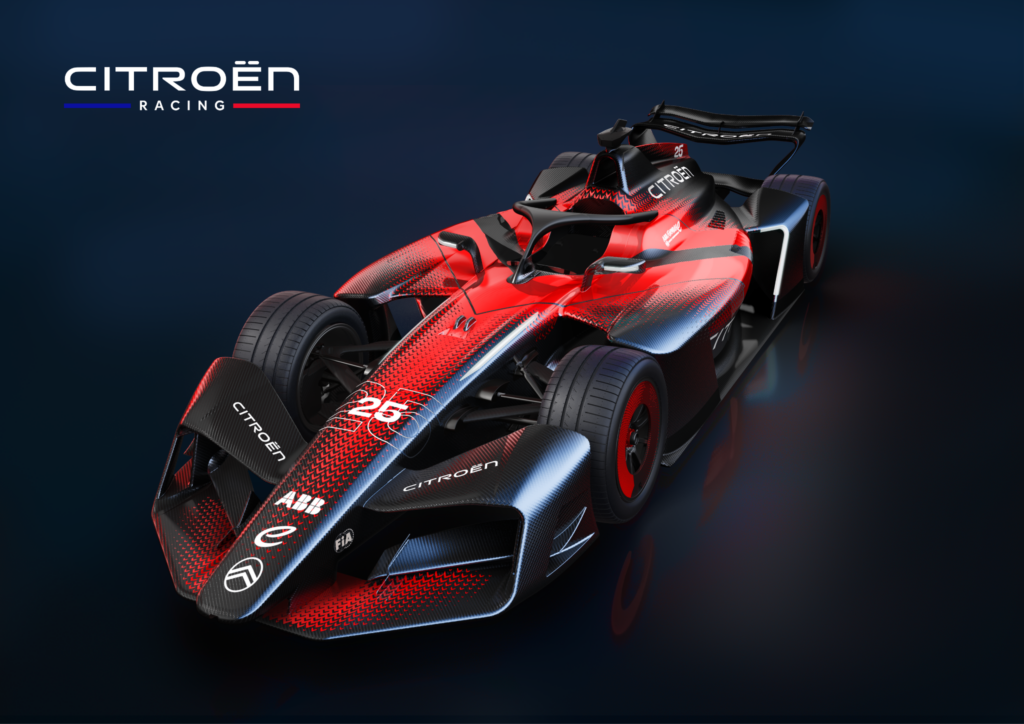
This is a so-called “camouflage” livery, intended as an interim step before the final version. But despite its temporary status, the design is already very distinctive.
In terms of design, it centres on the double chevrons, the brand’s historic signature, which serve as the graphic starting point. Pierre Leclercq, Citroën’s Design Director, sums up this intention: “With this livery, the aim was to continue developing the graphic language of the chevrons. The two central chevrons lend the car a more dynamic look, and it is from this point that we developed a gradient that extends across the entire bodywork.”
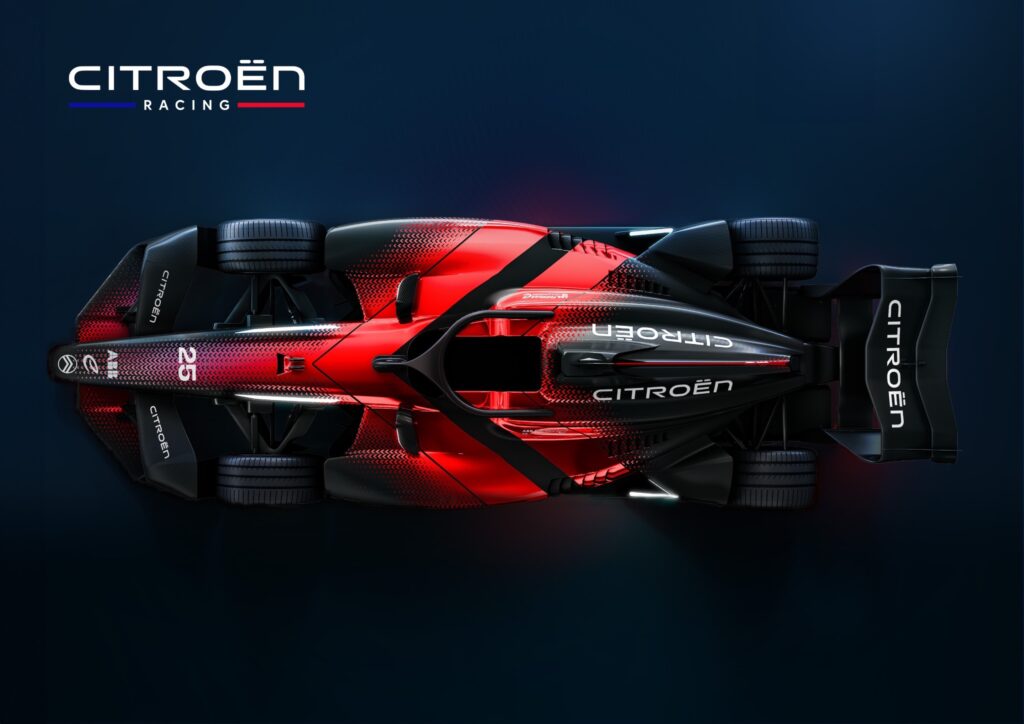
The brand also emphasises a progressive interpretation of the design, intended to change depending on the distance and the angle from which it is viewed: “This design builds on the one introduced for the 2025/26 season, creating a layered visual effect that gradually reveals itself as you get closer to the car.”
As explained, this ‘camouflage’ version gives a glimpse of the French brand’s design concepts, although, as we know, in the automotive world, last-minute changes are always a possibility.
A single-seater that truly marks the arrival of GEN4
Behind this initial aesthetic reveal, Citroën’s press release highlights technical developments designed to meet the increasing demands of Formula E. These requirements are in line with the new restrictions introduced by GEN4. Key features include permanent all-wheel drive, with power delivered to all four wheels at all times, as well as advanced traction control to optimise grip. Aerodynamics have also evolved, with two distinct configurations: one with high downforce for qualifying and another with low drag for the race.
The increase in power is significant: 450 kW in race conditions and up to 600 kW in qualifying and Attack Mode, compared with 300 to 350 kW in the previous generation. Added to this is energy recovery, which has been increased to 700 kW.
This isn’t news, but rather confirmation: the package as a whole will be faster, more complex and more strategic – in short, a real departure from GEN3.
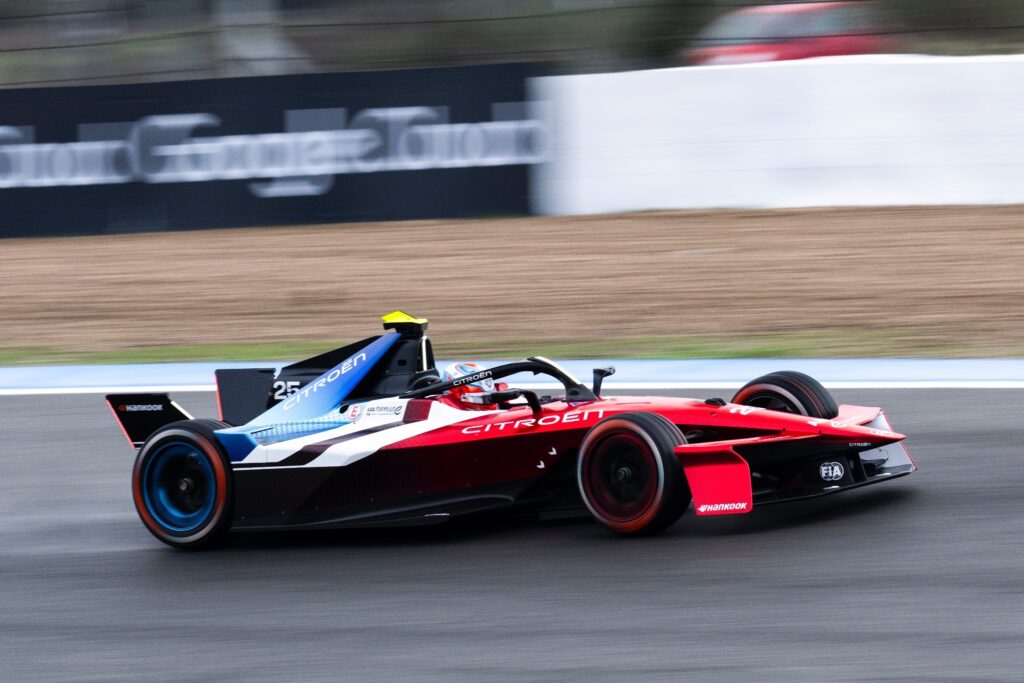
Opel makes its debut with a prototype that’s already in action
At Opel, the tone is quite different. Whilst Citroën is rolling out its programme gradually, the German brand has opted for a much more direct approach for its debut in Formula E.
The first piece of news is that we now know the prototype’s name: “GSE 27FE”. It was unveiled at the Paul Ricard circuit, under real-world conditions, having already completed its first laps. This is a very clear way of positioning the project: Opel isn’t just showing off a car, but is launching a programme and making it clear that they’re ready to take on their future competitors.
Visually, Opel has adopted an expressive approach. The single-seater incorporates the “Lightspeed” design language, featuring bright yellow accents that stand out sharply against a darker base. Pierre-Olivier Garcia, Head of Global Design at Opel, explains the aim: “We want speed and performance to be instantly apparent, even before our GEN4 hits the track.”
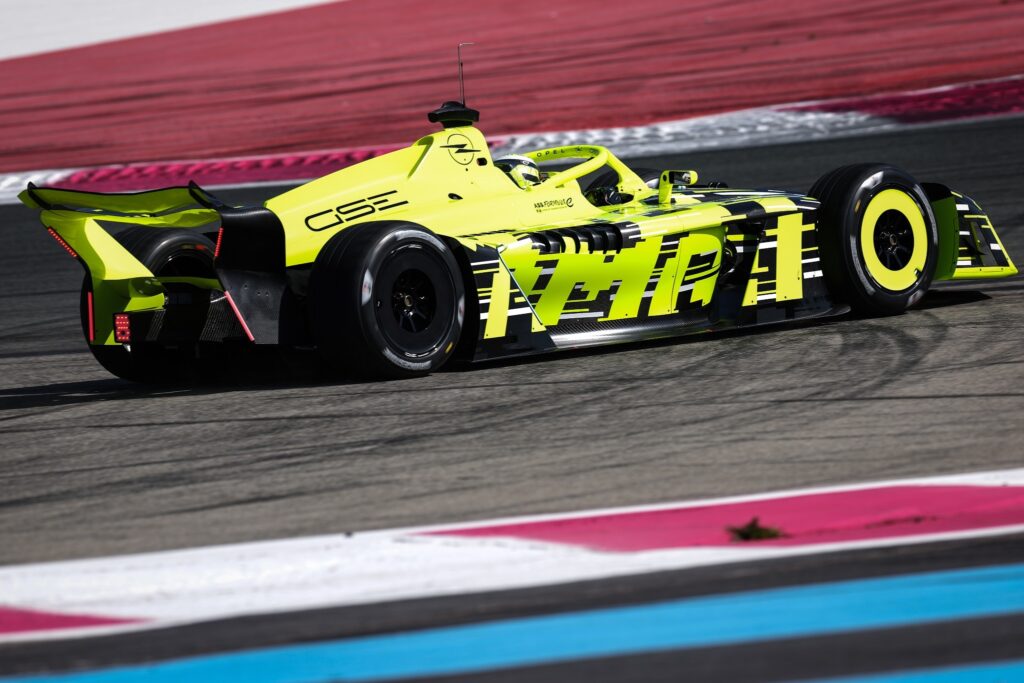
As with Citroën, we can expect only minor changes to the car’s styling, as its final design will be unveiled in October when Opel attends the 2026 Paris Motor Show, where the entire GSE range will take centre stage.
A first step in the right direction and a very clear ambition
As explained earlier, Opel has already entered an operational phase, and it was Sophia Flörsch who took the wheel of the prototype for the first track tests at Le Castellet. A highlight for both the driver and the brand:
“After the initial simulator tests, getting behind the wheel of Opel’s GEN4 Formula E car for the first time on the track is an indescribable moment. The instant acceleration, this completely new level of performance… we’re touching the future of motorsport and I’m ready to push the boundaries.”
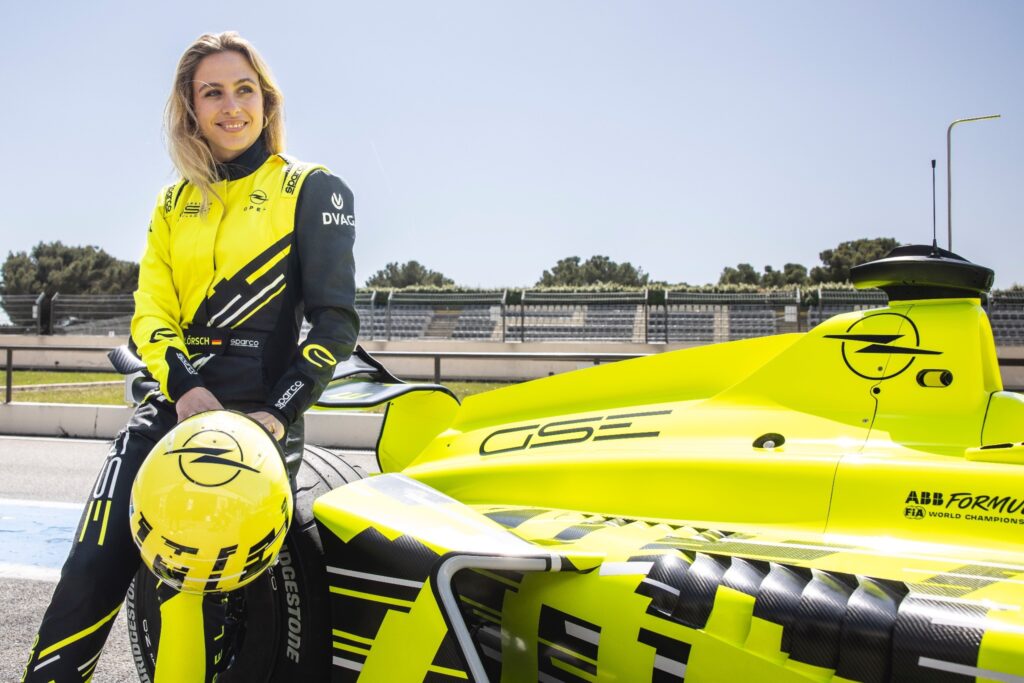
Technically speaking, it boasts over 800 hp, permanent all-wheel drive and up to 700 kW of energy recovery. These figures immediately place Opel on a par with the expected standard for this new generation, which is reassuring for a brand that, as we’ve said before, is preparing to compete in its first Formula E World Championship.
Formula E as an industrial showcase
The German brand had already announced it: beyond performance, the all-electric single-seater is part of a clear strategy. “We are demonstrating just how exciting and relevant electric performance can be for Opel,” said Rebecca Reinermann, Vice-President of Marketing.
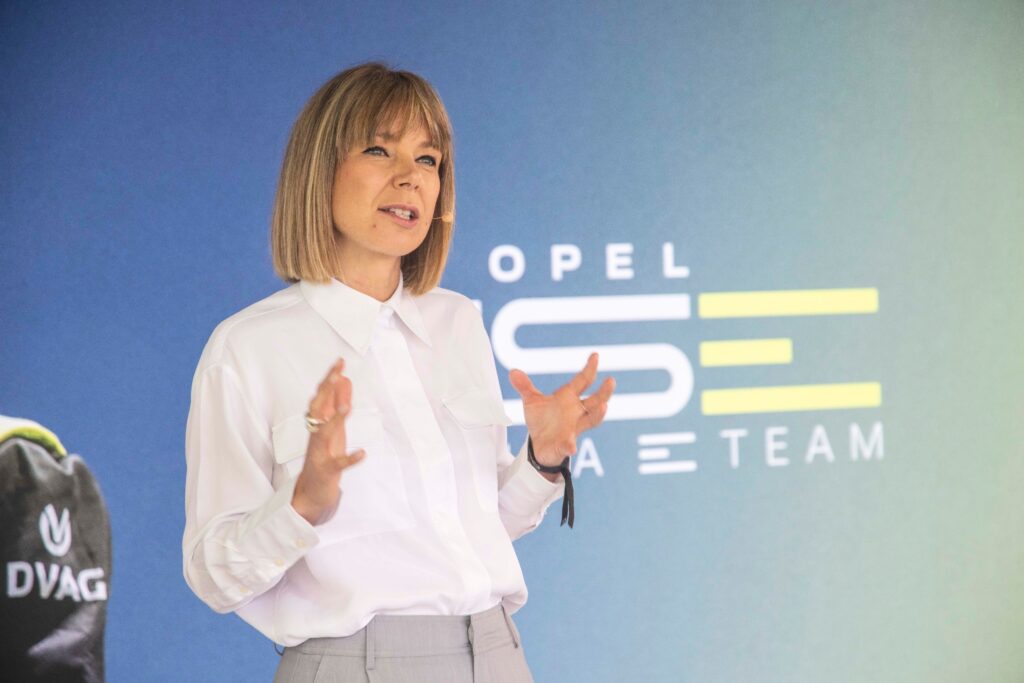
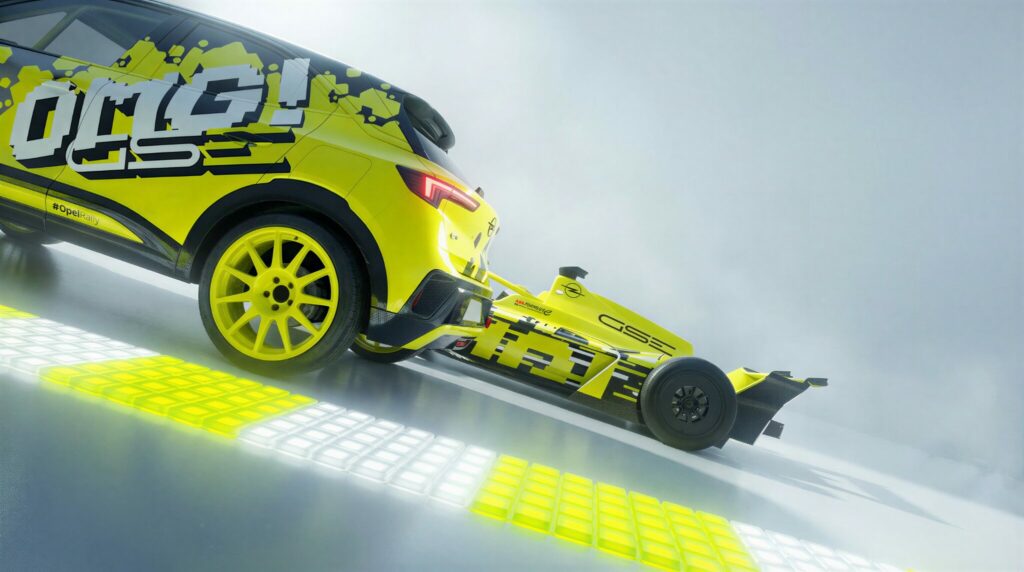
The significance lies in the fact that the GEN4 programme is presented as a genuine technology showcase for the GSE (Grand Sport Electric) range, with direct applications to production models. The message is clear: racing is becoming a tool for development and brand image.
Jörg Schrott, the programme’s Team Principal, emphasises this point:
“What we are presenting today goes far beyond a simple prototype. The Opel GSE 27FE is a genuine rolling laboratory: every technology tested in racing will feed directly into our future production models.”
GEN4 is now a reality
Following Porsche, then Citroën and Opel, the 2026/2027 season is beginning to take on a much more concrete form. GEN4 is no longer just a set of regulations or a technical promise. It is becoming a reality, tested by drivers and brought to life by manufacturers who are beginning to establish their identities.