



ACEA, the European Automobile Manufacturers’ Association, has published the figures for new car registrations in Europe for the month of May and for the first five months of the year. The trend towards electrification is continuing, with one in five cars sold being electric. Whilst the established brands are holding their own, the rise of Chinese manufacturers is accelerating faster than expected.

Electric vehicles: a 30 per cent increase compared with 2025
Since the start of the year, the European car market has been steadily becoming more electrified. Over the first five months, the market share of electric cars rose to 20 per cent, an increase of more than 30 per cent compared with last year. In May, registrations of electric cars rose by 43 per cent across Europe. And if we include electrified cars (PHEVs and HEVs), they now account for 7 out of every 10 new registrations. In the wake of the geopolitical crisis in Iran, petrol and diesel models are becoming increasingly rare. In France, for example, petrol vehicles have fallen by nearly 37 per cent since January.

Market share is eroding for the established manufacturers
Month after month, the energy transition therefore appears to be shifting towards electric vehicles, in a continental market that is showing signs of recovery (sales up 4% since January, representing more than 4.7 million units sold). Among the manufacturers benefiting from this shift in consumer behaviour since the start of the year are:
- Volkswagen Group: 1.27 million units sold, representing a 26 per cent market share. Škoda and Audi are performing well, in contrast to Porsche, which has seen a 16 per cent decline.
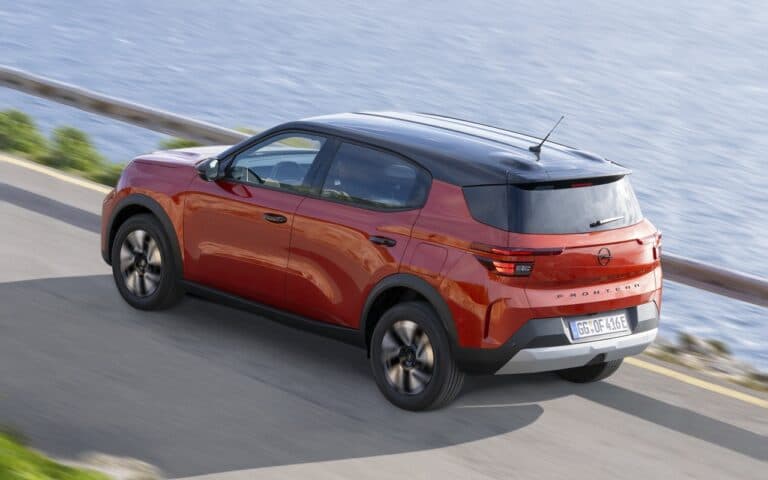
- Stellantis: nearly 800,000 registrations, representing a market share of nearly 17 per cent, driven by Fiat (+30 per cent) and Opel (+19 per cent), the two brands with the widest range of electric vehicles.
- Renault Group: 490,000 registrations, representing a market share that has fallen from 11% to 10.2% since January. Of particular note is Alpine’s strong performance (+15%)
- Toyota Group: 336,000 sales, down 2%

Chinese manufacturers already hold a 10 per cent share of the market
Overall, European car manufacturers are stagnating or retreating to their domestic markets, whilst Chinese brands continue their remarkable growth. Collectively, they have already exceeded a 10 per cent market share in Europe – a figure that has been reached earlier than experts had predicted.
Starting with SAIC Motor (MG), which has surpassed the 100,000-unit sales mark (+12%), whilst the Geely Group (Volvo, Polestar, Lotus, Geely, etc.) is the leading Chinese group in terms of sales volume in Europe: more than 124,000 models sold since the start of the year.
The giant BYD, which is currently pursuing a very aggressive sales strategy, has registered nearly 100,000 cars since last January, a staggering 160 per cent increase that gives the group a 2 per cent market share, despite European customs duties and the lack of incentives for vehicles manufactured outside the EU.

Chery is soaring
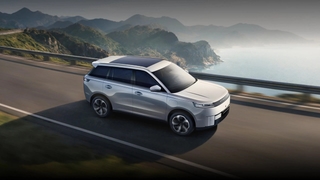
Chery’s growth is also soaring following the commercial launch of the Jaecoo-Omoda brands: over 65,000 registrations (a 265 per cent increase, which is hardly surprising given the very low baseline figures). Leapmotor, a partner of Stellantis, is capitalising on the reach of the Italian-French-American network in Europe to make progress too, despite selling fewer than 38,000 cars.
By contrast, among the biggest losers in this surge in electric vehicle sales were Ford (-21.3%), Nissan (-7%) and Hyundai (-2.7%).

A worrying breakthrough?
Should these results be interpreted as the start of a ‘tsunami’ of Chinese cars – which are cheaper, more technologically advanced and better equipped – at the risk of undermining established European brands? Some representatives of the European Commission also point out that the strength of China’s electric vehicle range is complemented by high-performance hybrid and plug-in hybrid models that are exempt from tax, such as BYD’s DM-i system. With these PHEVs, manufacturers are thus circumventing the import duties imposed on electric vehicles.
How will Europe respond?
Should these so-called ‘super-hybrid’ technologies therefore be taxed before they enter the EU? Whilst a highly political debate is getting underway (which will not necessarily result in new penalties), another factor is coming into play in the Europe-China trade standoff: the fate of European factories currently operating below production capacity. Several Asian manufacturers have recently expressed an interest in having their models manufactured at the least utilised sites, or even in buying them as turnkey operations and maintaining local jobs. These are all factors to be weighed up against the backdrop of this energy transition, which is gaining momentum month by month and reshuffling the cards for an entire industry.