




For the electromobility sector, February 2026 will go down in the annals: 32,370 electric cars registered (passenger cars + light commercial vehicles), up 27.8% on February 2025. This represents a market share approaching 27%, an all-time record for February. Over the first two months of the year, the cumulative total reached 62,677 EVs, up 21% on 2025. According to AAA Data, the trend is clear: despite a declining overall market, electric vehicles are continuing to establish themselves as the engine of the future.
Market context
To say the least, the French vehicle market is not in the best of health. In fact, 120,764 personal vehicles were sold in February 2026, down 14.7% on the previous year.
The main factor is that diesel sales collapsed again this month, reaching just 2.6% of the market. By comparison, sales of cars running on LPG represent 2.3%, while plug-in hybrids are up slightly at 5.5%.
Electrics are now the leading energy source on the market, ahead of non-rechargeable hybrids. In short, while the overall market is shrinking, electric cars are gaining ground month by month.
Top electric models
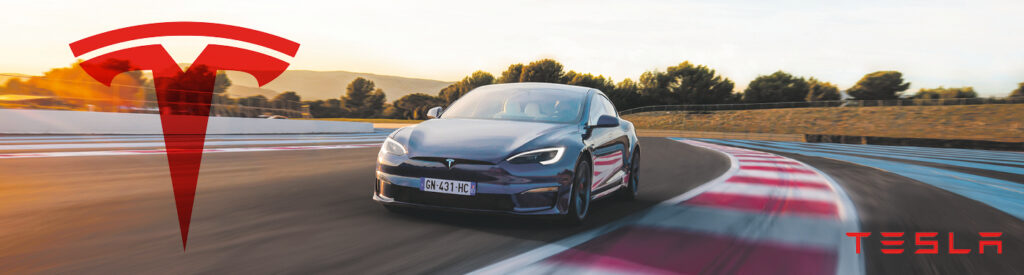
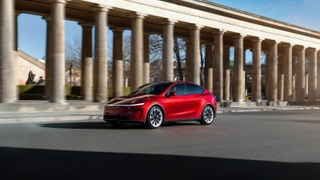
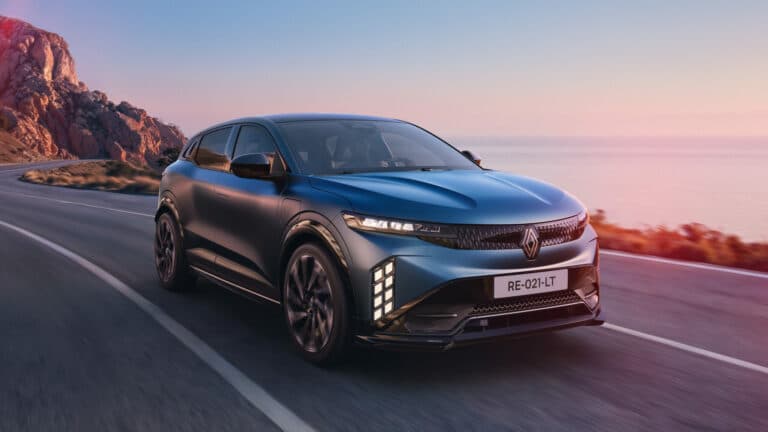
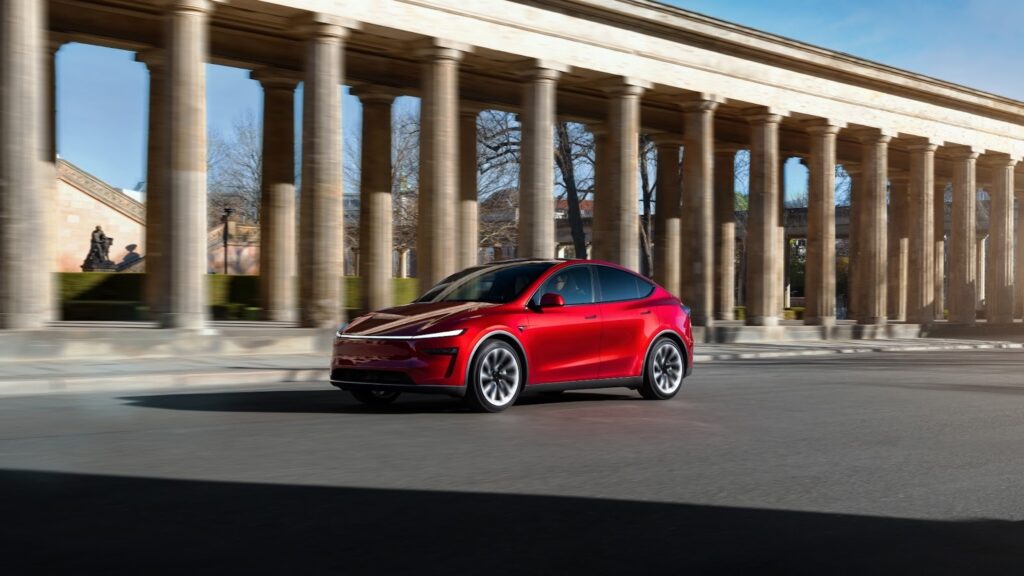
One of the big news is that the Tesla Model Y is back in first place in February with 3,034 units, a position it has not held since last September. It is closely followed by its rival, the Renault 5, with 2,639 units sold, and by the Renault Scénic, with 2,127 units.
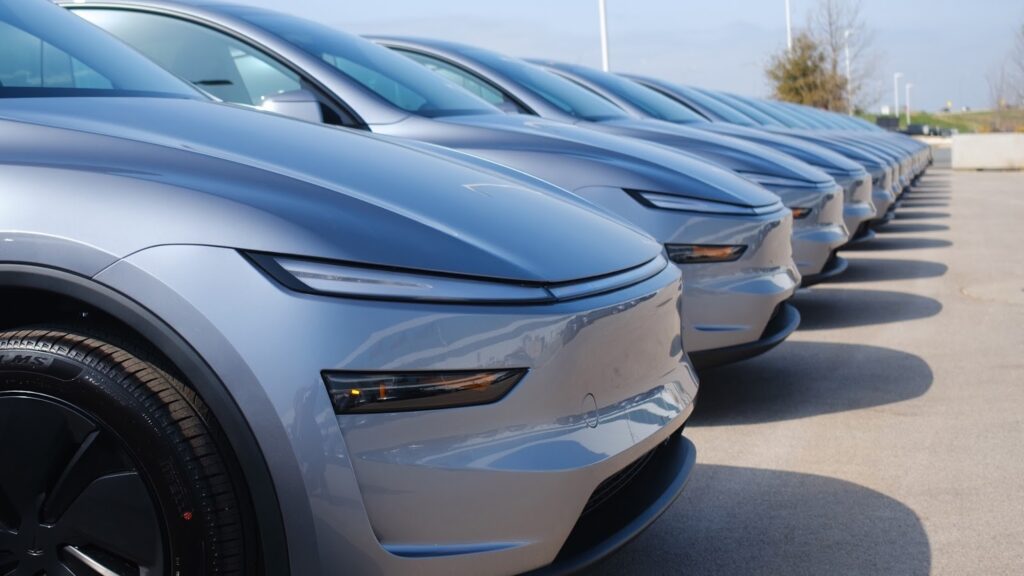
This is a real rebound for Tesla, which had a difficult January, with a total of 3,715 vehicles (Model Y + Model 3). For Renault, the cumulative total for February was 6,492 EVs, or 20% of the electric market, confirming the brand’s dominance of the mass-market segment.
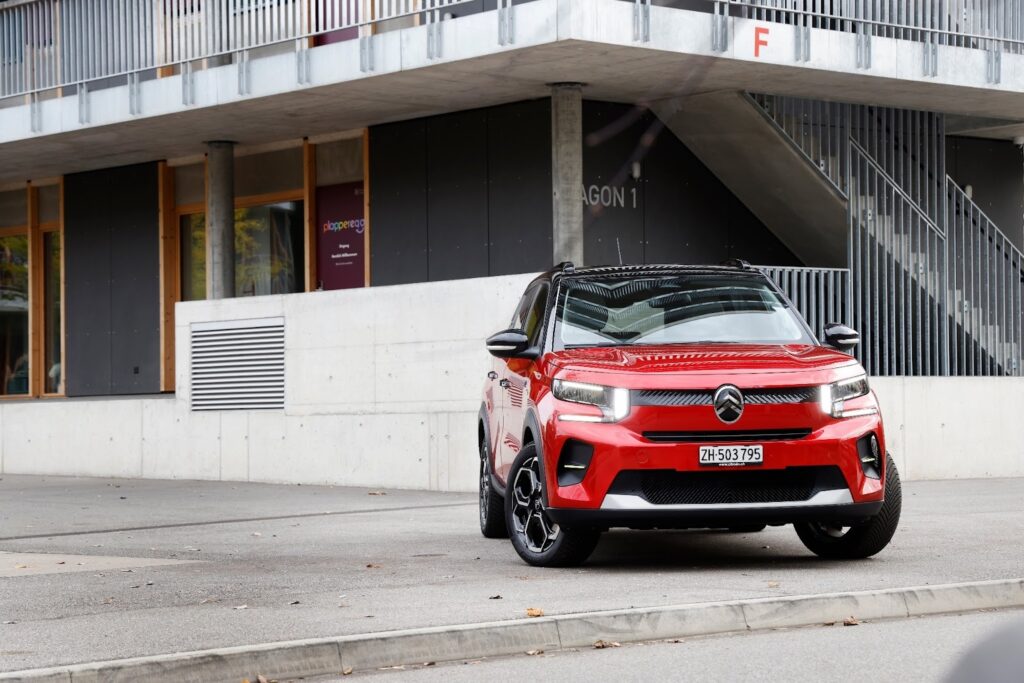
In addition to the top 3, other models stand out: the Citroën ë-C3 (1,337), the Peugeot e-208 (1,150) and the Volkswagen ID.4 (1,003).
Renault in the lead, the big manufacturers in ambush
What really interests the market is who sells what at the end of the month. In this area, Renault remains the undisputed leader, with 6,492 electric vehicles registered in February and a market share of 20%. This position has been consolidated since September 2025, boosted by the Renault 5 and the Scénic E-Tech.
As already mentioned, Tesla was more convincing than in the previous month, with 3,715 electric vehicles sold in February. The figures show that the American manufacturer remains a major player, even though Renault still dominates the consumer segment.
At Stellantis, sales oscillate: Peugeot follows with 3,896 EVs, with Citroën and Volkswagen rounding out the top 5. The data confirms a clear trend: the French EV market is now concentrated around a few leading players.
A falling market, but not for everyone
Yes, February 2026 was a record month for electric cars, but it must be stressed once again that the overall market continues to shrink. With 120,764 cars sold in February 2026, that’s 14.7% fewer than last year, and 6.55% fewer than in January 2026.
So why is the market falling? Well, first of all, the tax system is taking its toll: weight-related penalties affect almost 70% of passenger cars. A family SUV weighing over 1.6 tonnes can cost between €10,000 and €30,000 in tax, and CO₂ charges can push up the bill from €10,000 for 50 g/km to €40,000 for 130 g/km. As a result, family models are becoming virtually inaccessible to many buyers.
Business fleets are also under pressure: down 13.9% in February (34,178 cars), held back by the wait-and-see attitude of the tax authorities and the weight penalty, which is holding up renewal. When it comes to internal combustion engines, the situation is almost the same: diesel at 2.6% (-54%), petrol -48%, LPG -52%, non-rechargeable hybrids -7%. In short, overall demand is weak, volumes are falling, and the economic situation is weighing on purchasing decisions.
And yet, despite this context, electric cars shine. This paradox can be explained by four specific factors:
- Social leasing 2025 deliveries: orders placed last year were converted into deliveries in January and February 2026, totalling 27,000 units, an artificial dynamic that inflates sales before they run out in mid-February.
- Revalued ecological bonus: the doubling of the EEC (€2,000-4,000) led to a surge in orders following the revaluation.
- Obligations for B2B fleets: decree requiring a minimum of 25% EVs in fleets of more than 100 cars/year.
- Renault bestsellers: Renault 5 E-Tech (2,639 units) and Scénic (2,127) benefit from local production, which enables rapid deliveries and supports volumes.

According to the Plateforme Française de l’Automobile (PFA), the trade federation representing vehicle manufacturers and importers in France, this level of sales « is the result of a range that is now very wide, the obligation to make fleets greener, and a social leasing effect. While the first two factors will continue to drive the market over the coming months, the positive impact of social leasing will fade.