

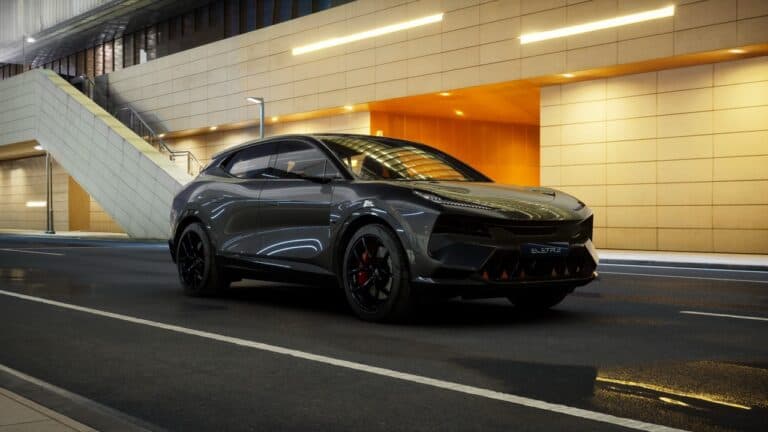
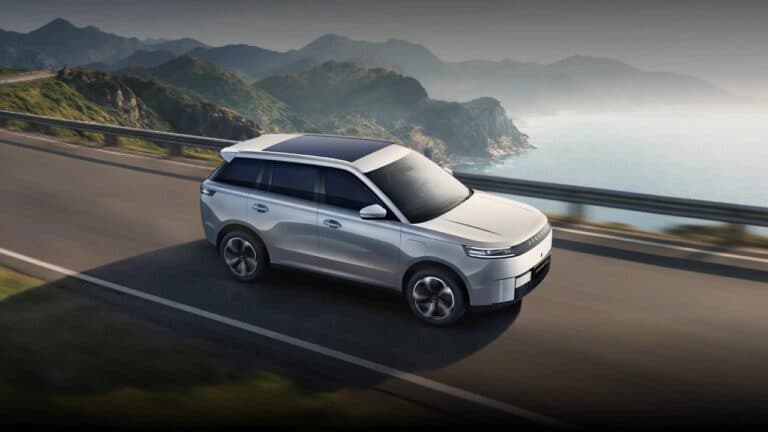


On 12 March 2026, Japanese car manufacturer Honda Motor Co. announced that it was abandoning the development of several electric models intended for the North American market. This decision could result in extraordinary losses of up to 570 billion yen for the 2025–2026 financial year, a situation the group has not faced for several decades.
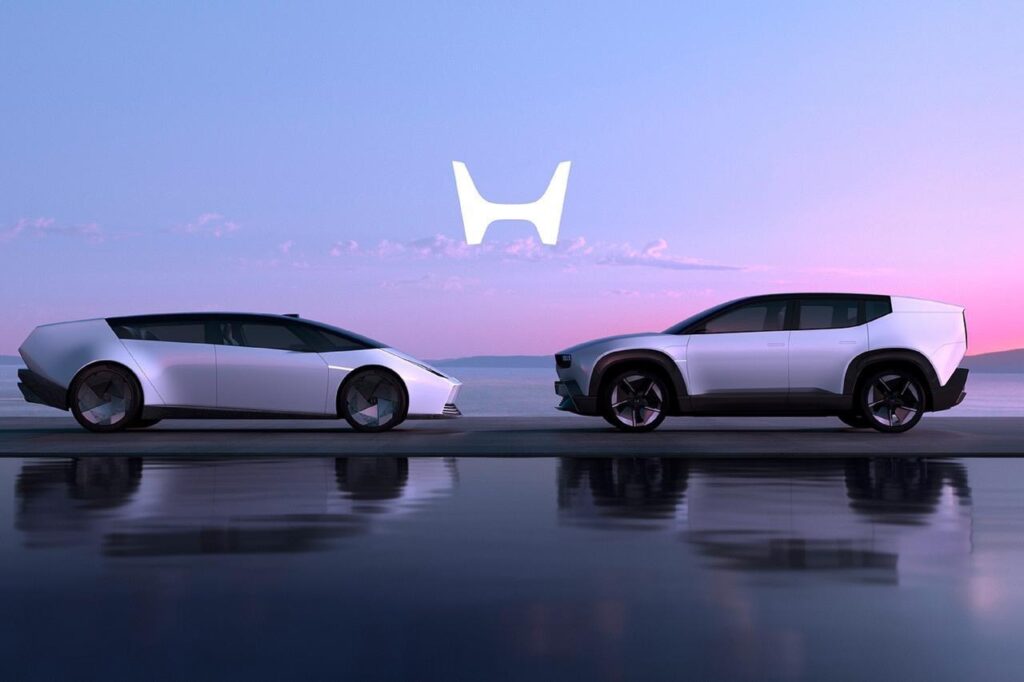
Honda is reviewing its electric vehicle strategy
On 12 March 2026, Honda Motor Co. issued a statement that sent shockwaves through the automotive industry. The company had decided to cancel the development and launch of several all-electric models in the 0 Series, which had originally been planned for the North American market.
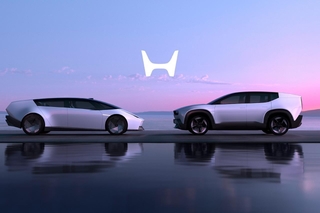
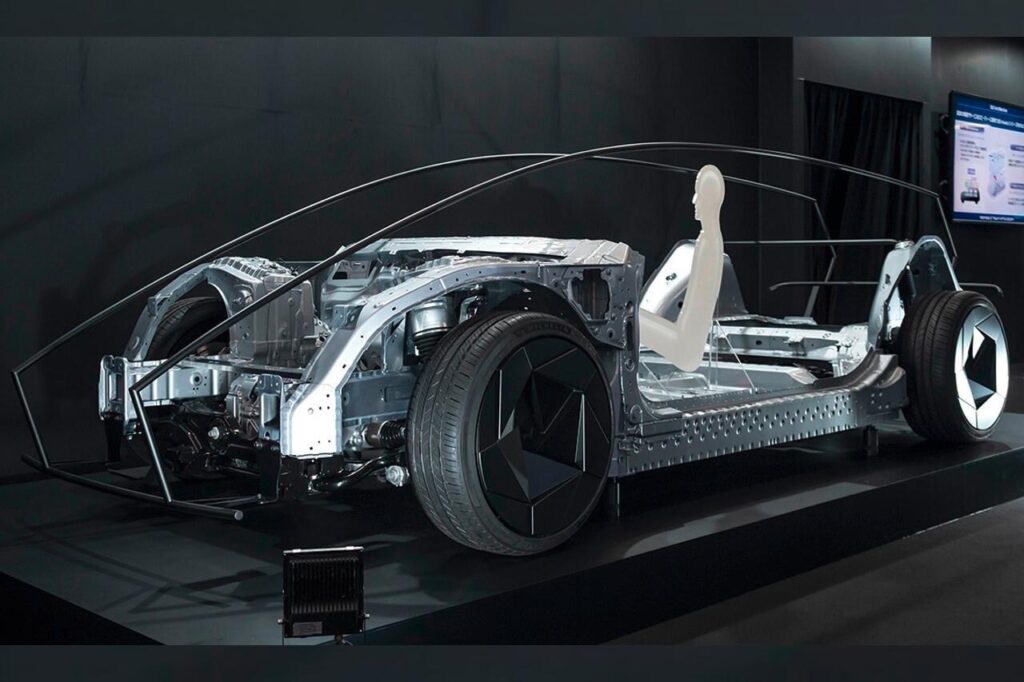
The projects in question include three models from the upcoming 0 Series: the Honda 0 SUV, the Honda 0 Saloon and the Acura RSX. These vehicles were due to be manufactured in the United States and sold primarily in North America. Although they were due to be launched in 2026, these cars will never even reach the production stage.

A slowdown in electricity demand in North America, but that’s not all
Honda Motor Co.’s decision to discontinue several models in the 0 Series is primarily due to a slowdown in demand for electric vehicles in North America. In its press release, the company explicitly cites market conditions that have proved less favourable than anticipated, prompting it to reassess certain investments related to electrification.
Yet it was in this very region that Honda had planned to accelerate its transition to electric vehicles. But the reality of the market is quite different: indeed, since President Trump returned to power, the 100% electric vehicle market has not been faring very well. This is undoubtedly due to the abolition of the $7,500 federal tax credit from September 2025, but also to the administration’s introduction of a 25% tariff from January 2026. As a result, EV sales in the United States have fallen by around a third in the space of a year, according to several estimates.
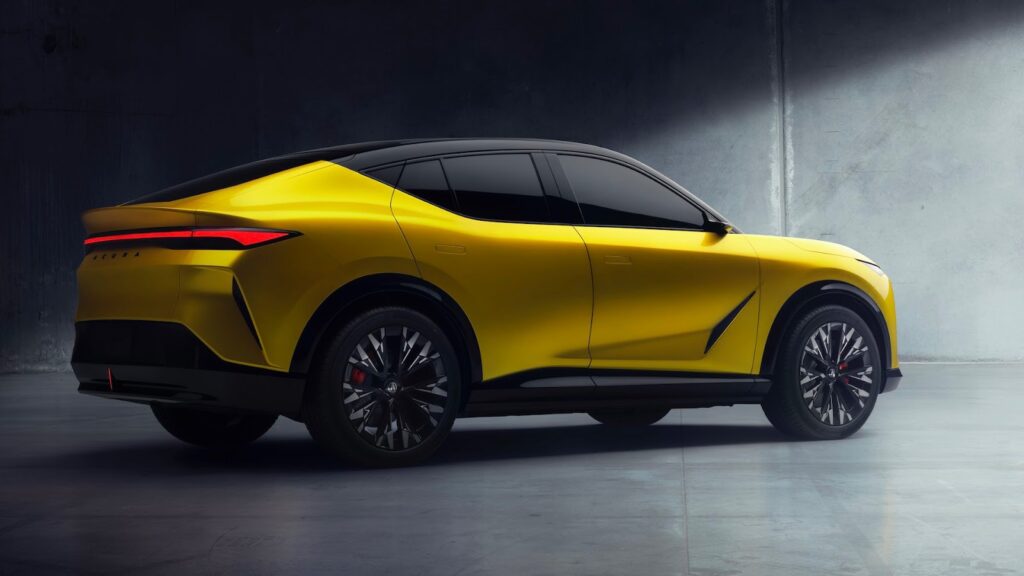
Furthermore, Honda also highlights in its press release that consumer expectations are changing significantly in certain markets, particularly in China. The manufacturer explains that “the perceived value of a vehicle no longer rests solely on physical characteristics, such as fuel efficiency or interior space, but increasingly on software features capable of constantly evolving through updates and the personalisation of services”. This market transformation has prompted the group to rethink its technological priorities and investments.
Up to 570 billion yen in exceptional losses
The figures cited in Honda’s statement reflect the difficult situation the company finds itself in. Honda says it expects to incur up to 570 billion yen in exceptional losses – equivalent to around 3.6 billion euros – for the financial year ending 31 March 2026.
These losses will be recognised in the fourth fiscal quarter, covering the period from January to March 2026. The group also states that the cumulative expenditure and losses associated with these projects could reach 2.5 trillion yen over several financial years.
According to several financial analysts, this situation could lead to the group’s first annual loss since 1957, a particularly rare occurrence in the history of the legendary Japanese car manufacturer.
Managers take responsibility
In light of this situation, and in addition to cancelling production of three of their fully electric vehicles, the group’s executives have announced symbolic measures.
CEO Toshihiro Mibe and Executive Vice-President and Chief Financial Officer Noriya Kaihara have decided to voluntarily reduce their remuneration by 30% for a period of three months.

In the statement, the two executives acknowledge the need to respond swiftly to market developments and to adapt the group’s industrial strategy.
A strategic shift towards hybrid solutions
In response to the cancellation of these projects, Honda has announced a broader reorientation of its electrification strategy. The manufacturer explains that it intends to adopt a more flexible investment strategy in the allocation of its resources in order to better adapt to changing global demand. It is in this press release that we learn the brand will be strengthening its focus on hybrid technologies, for which demand remains strong in several markets.
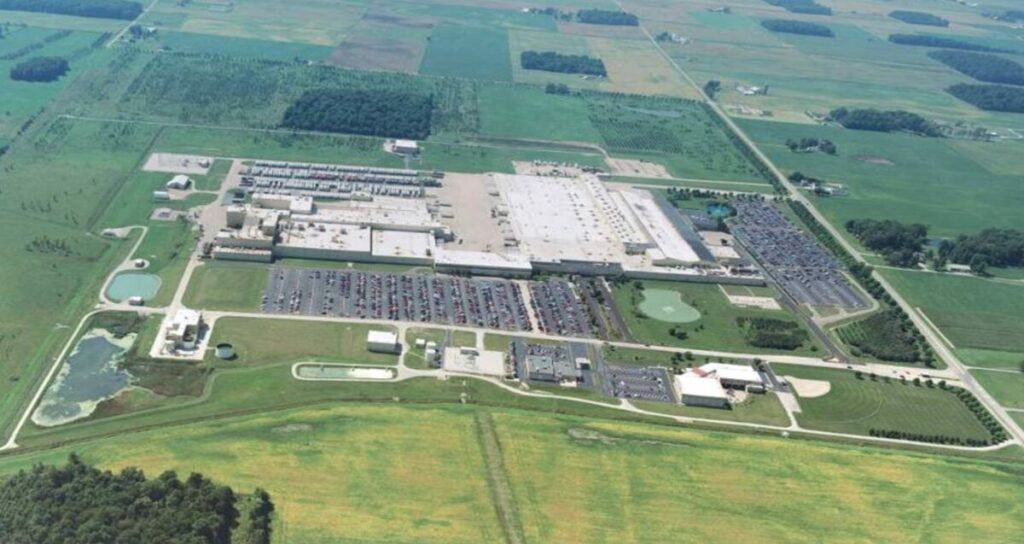
In this regard, it is expected that the factories due to produce Honda EVs – such as those in Ohio, for example – will need to switch their CR-V BEV production lines to CR-V e:PHEV as soon as possible in 2026.
This strategic reorganisation is intended to enable Honda to respond more effectively to changes in the automotive market, pending the presentation of a new industrial roadmap, which is expected to be unveiled after 1 April 2026, once the financial year has ended (31 March, as a reminder).
A strong signal and a future to watch
By scrapping several models from its upcoming 0 Series, the Japanese manufacturer is sending a strong signal by choosing to scale back its all-electric ambitions in regions that are less enthusiastic about the move. Honda’s worrying financial situation must therefore be relieved of additional costs.
The strategy that Honda is set to unveil in the coming months will therefore be closely scrutinised by the entire automotive industry.