
Renault Group has made a strong start to 2026. In a press release dated 23 April 2026, the group announced that in the first quarter of 2026, the manufacturer recorded revenue of €12.53 billion, up 7.3% year-on-year, despite a 3.3% decline in sales volumes. The message is clear: growth now relies more on value, product mix and electrification than on sales expansion alone.
Growth driven by the product mix
With 546,183 vehicles sold over the quarter, the Renault Group has certainly seen a decline in sales volumes, but this apparent underperformance is largely offset by the quality of the product mix. Revenue is rising thanks to a favourable product mix, a pricing strategy that remains positive, and the ramp-up of sales to partners, notably through Nissan and Geely.
In other words, the group is selling slightly fewer cars, but at higher prices. This is precisely what Renault has been aiming for over the past few quarters: increasing the proportion of higher-margin models, maintaining profit margins and managing its distribution channels more effectively.
Renault holds its ground, Dacia falls behind, Alpine picks up speed
Looking at the figures in detail, the group’s three brands are following very different trajectories. Renault remains the group’s driving force with 397,602 sales, up 2.2%, buoyed by the renewal of its range, the strong performance of its electric models and growth in commercial vehicles. In Europe, the brand has even moved up a place to become the number two in the passenger car and light commercial vehicle market.
Dacia, on the other hand, saw a sharp decline, with 145,335 units sold, down 16.3%. However, this drop is largely attributable to the fact that January and February were severely disrupted by “exceptional logistical difficulties” linked to very poor weather conditions that affected maritime traffic in the Strait of Gibraltar. The manufacturer has, however, begun to turn things round in March. Indeed, the press release states that Dacia’s order book remains well-filled. It remains to be seen whether the trend will actually reverse or whether these figures are merely a PR stunt.
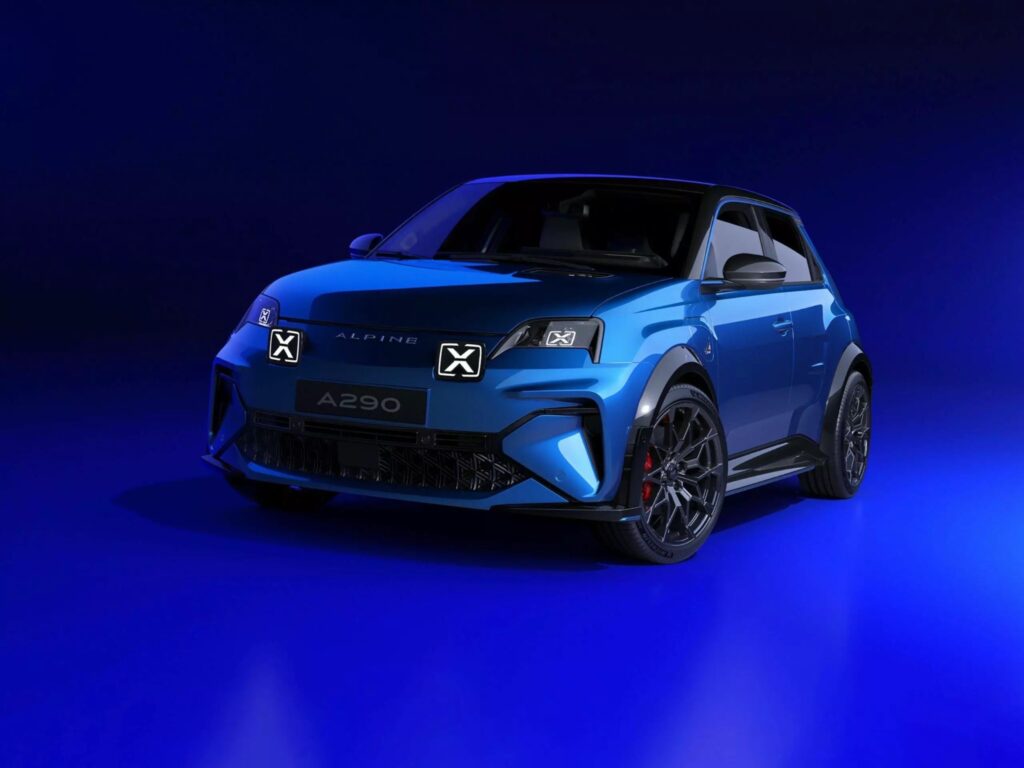
Alpine, for its part, saw sales rise by 54.7% in the first quarter, driven in particular by the A290, which has become its best-selling model with 2,452 registrations worldwide out of a total of 3,246.
Electrification is becoming the cornerstone
The most striking aspect of these results is undoubtedly the significant share of electrified powertrains. In Europe, they now account for 52.3% of the group’s sales, up 9.1 percentage points year-on-year. Fully electric vehicles have grown by 20.9%, whilst hybrids continue their upward trend, accounting for 35.3% of the mix.
This trend confirms the effectiveness of Renault’s ‘dual’ strategy, which does not rely solely on all-electric vehicles but combines EVs and hybrids depending on the market. Duncan Minto, the group’s chief financial officer, sums it up: “We are making the most of our dual powertrain offering, with electric vehicles on one side and hybrids on the other, both delivering strong performance.”

A pivotal year for the group’s three brands
Another key factor at the start of this year is the particularly packed product schedule. The Renault Group is entering a phase of strategic renewal, with a flurry of high-stakes launches for Renault, Dacia and Alpine alike.
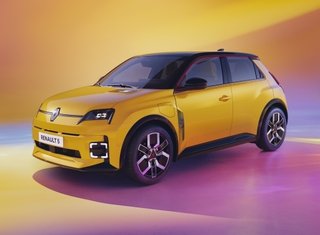
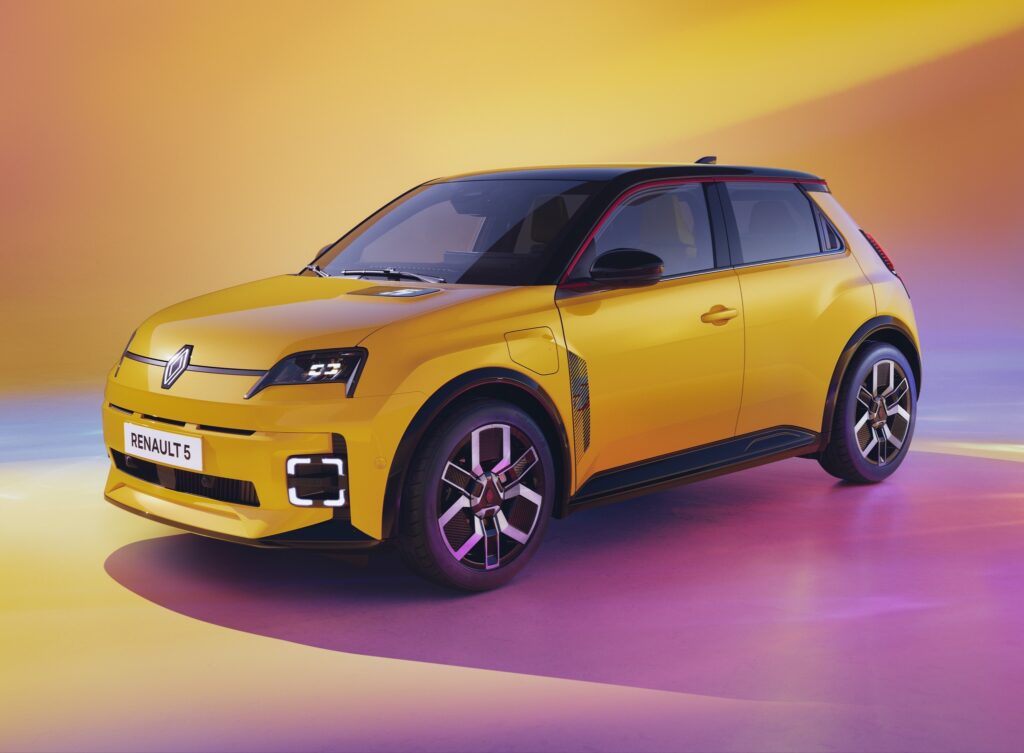
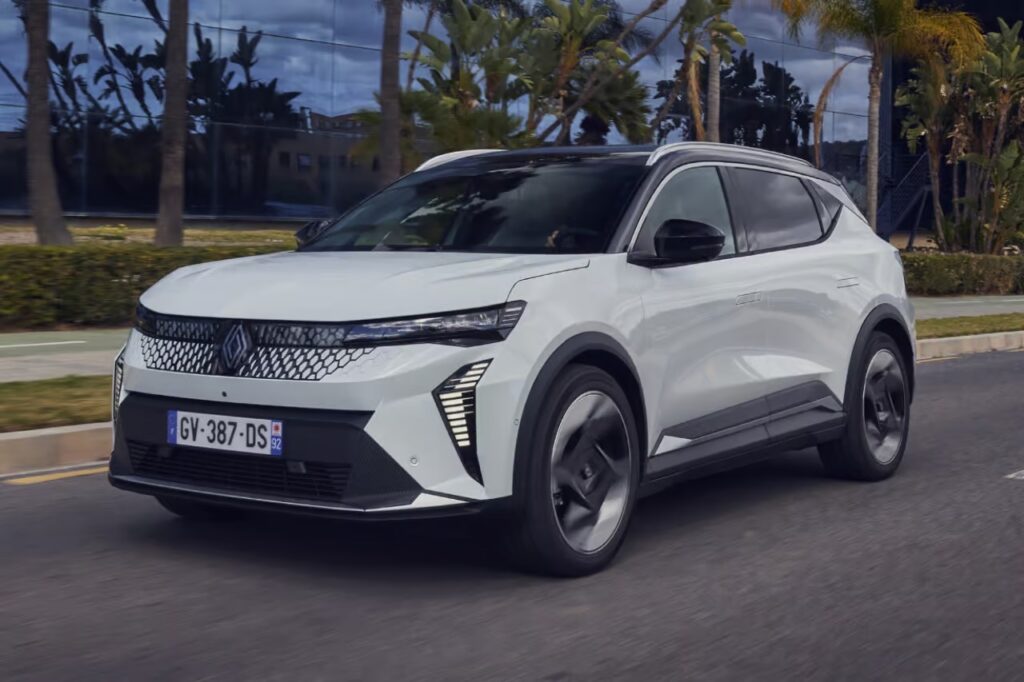
For Renault, the momentum clearly lies in electrification. The growing popularity of the Renault 5 E-Tech electric, already the leader in the electric B-segment across several European markets, is accompanied by the gradual rollout of the Renault 4 E-Tech electric, whilst the Renault Scenic E-Tech electric continues to perform well commercially. At the same time, hybrid models such as the Renault Austral, the Renault Rafale and the Renault Espace continue to underpin a product mix focused on more profitable segments, with 36.5% of sales in the C and D segments.
At Dacia, the strategy remains different but complementary. Despite a temporary decline in sales volumes to 145,335 units (-16.3%), the brand is building on a strong product line-up, notably with the Dacia Duster and the new Dacia Bigster, whose hybrid and LPG versions are proving particularly successful. The Hybrid-G 150 4×4 powertrains and the automatic LPG versions of the Dacia Sandero illustrate this gradual move upmarket, whilst retaining the brand’s price-performance DNA.
Finally, at Alpine, the transformation is well under way. The 54.7% increase in sales in the first quarter, to 3,246 units, is largely driven by the new Alpine A290, which alone accounted for 2,452 registrations (+63.9%). Meanwhile, the end of the Alpine A110’s production run (545 units before production ceased) is paving the way for a new, fully electric generation, whilst the Alpine A390 is beginning to expand into several European markets.
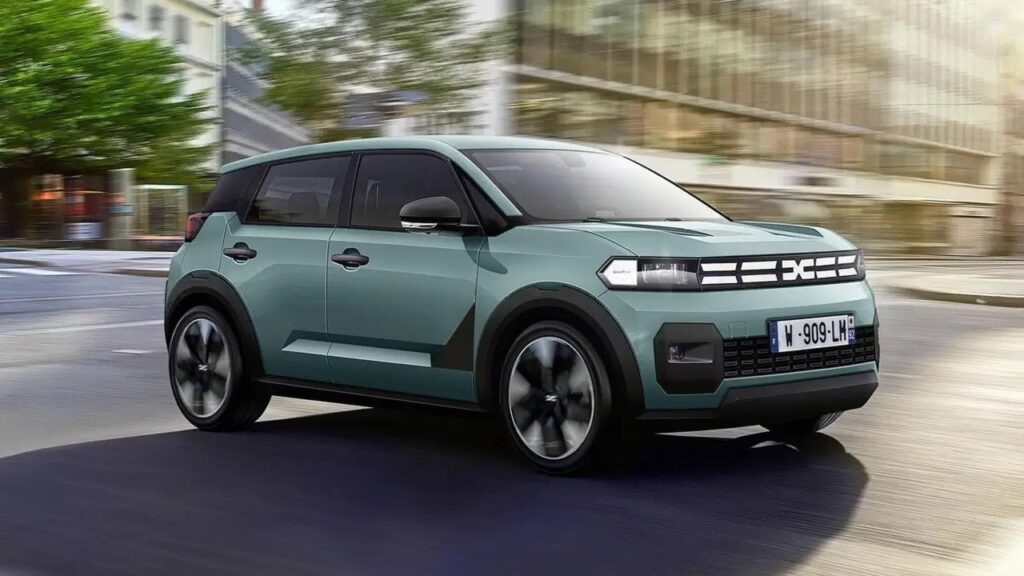
All in all, this product offensive is accompanied by a packed pipeline for 2026, including a new Renault Clio, the Renault Twingo E-Tech electric, a new electric city car from Dacia, and new international models such as the Renault Boreal.
Conclusion
The first quarter of 2026 paints a picture of a group that is more selective, more electrified and, ultimately, more resilient than it appears. Behind an apparent decline in volumes (-3.3% to 546,183 units), the reality is more nuanced: turnover rose by 7.3% to €12.5 billion, the product mix improved, and electrification reached a milestone with 52.3% of sales.
In other words, the Renault Group is continuing to shift its focus: lower volumes, higher value, and a growing reliance on electric and hybrid powertrains as drivers of performance.
The rest of the year will be crucial in confirming this trajectory. But at this stage, the indicators are all pointing in the right direction: a solid order book (two months’ worth of sales), double-digit growth in new orders, a major product push and financial targets remaining on track. It remains to be seen whether, in an increasingly competitive environment, this strategy will be enough to deliver the goods for the full 2026 financial year.