





Focusing on electric vehicles to transform everyday habits is the communication strategy adopted by the government to win over potential future electric vehicle users, through a national campaign launching at the end of June (running until September). The slogan is clear: ‘Electric is fantastic!’. The main tool made available to the general public is a portal providing practical information to estimate the cost of social leasing, find a charging point or even compare and choose their future EV.

The website « electrifions-la-france.gouv.fr«
The government is stepping up its efforts to promote the benefits of electric mobility, which is the key solution to today’s economic and environmental challenges. Ahead of the launch of the third ‘social leasing’ scheme on 16 July, followed by the introduction of the EV purchase grant for ‘frequent drivers’ in early September, a major national communication campaign is now getting underway. The main tool is the website “electrifions-la-france.gouv.fr”, which is designed to answer the practical questions asked by motorists who are considering switching to an electric car.
Whilst the tagline is meant to be enthusiastic and simplistic – “Electric is fantastic!” – the answers provided on this portal are designed to inform you and help you understand, if not to reassure you. Quick navigation.

Key figures
“Simpler than you might think, an electric car is quiet and economical to run,” the website begins by stating, emphasising that 95 per cent of the electricity generated in France is carbon-free. The government highlights some striking figures: “Charging your car at home costs only around 12 euros, or less than around 3 euros per 100 km.” This shows that charging an electric car is currently much cheaper than filling up with petrol. The benefits seem immediate for both households and businesses.
Even the most sceptical should find answers to their concerns here. Amongst other things, we find: a median home-to-work distance of 16 km; 8 years or 160,000 km for the statutory warranty on batteries; and €1,500 for the average cost of installing a home charging point (including fitting)…

Simulators galore
As well as these very practical Q&As, the government’s information website offers simulators to assess your eligibility for social leasing (based on your reference taxable income) or to work out how long it takes to charge your EV on a daily basis. One of the most innovative simulators is the tool that helps you compare and choose your future electric car.
Based on your daily usage, where you live (in town or the countryside), and the number of kilometres you travel in town, on country roads and on motorways, the calculator will tell you whether any purchase incentives are available (depending on your income) and then suggest the electric model(s) that might suit you.
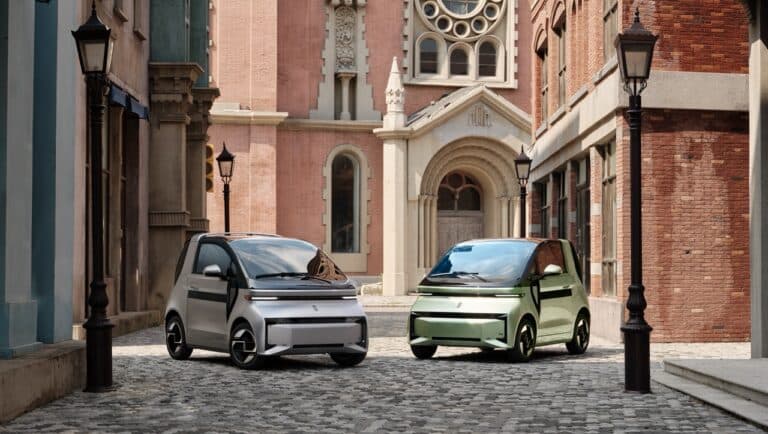
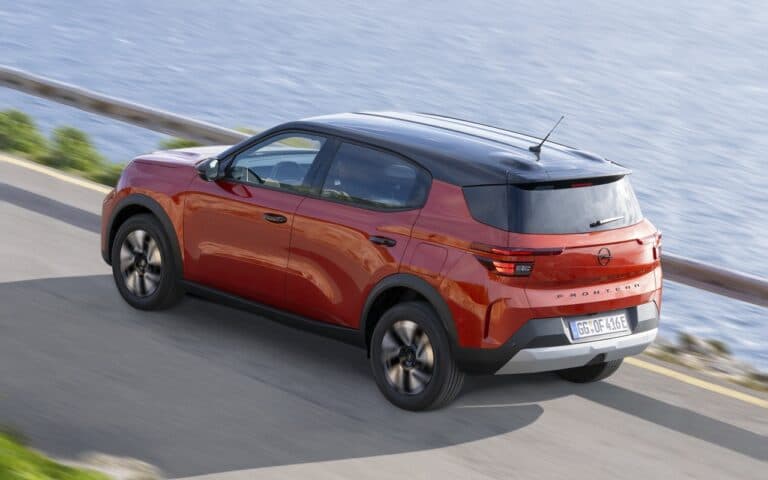
This standard profile of the ideal car is set out in a detailed information sheet that includes all the details relating to potential savings. For example, for a two-person household, a Peugeot e-3008 priced at €44,990 (excluding discounts) would cost over a four-year period: €1,395 per year for insurance, €423 for annual maintenance, amounting to a total cost of over €8,500 per year (including energy costs, financing and depreciation).

Chinese women are missing from the ‘ideal cars’
It should be noted that this list of ‘ideal cars’ does not include any Chinese models (for which Europe imposes a tax on battery production), which somewhat skews any possible comparisons on the current market, particularly as models imported from China are often the cheapest, and therefore more attractive.
It also remains to be seen to what extent this website will be updated regularly, as prices and price changes are constantly fluctuating, depending on current legislation or manufacturers’ policies.

Road map of charging points
Another concern for electric car users is the ease of charging quickly and anywhere. The government has therefore confirmed that 100 per cent of motorway service areas are equipped with fast-charging points and has pledged to provide 22,000 charging points for light vehicles at motorway service areas by 2035. A dynamic road map allows users to locate charging points throughout France, enabling them to plan ahead for a long journey, for example. Currently, 200,000 public charging points cover the country (and this figure is set to double within four years).

Supporting the transition to electric vehicles
To raise awareness of this practical information site, media coverage and content on digital platforms will be shared throughout the summer. There will even be adverts on the Le Bon Coin classifieds website to help visitors make their decision at the point of purchase. The aim of this highly informative portal is to support and help make electrification an essential standard of consumption, reduce greenhouse gas emissions and strengthen energy independence through electricity generated in France. Spending a few moments browsing the site can certainly provide food for thought.

Electric vehicles are becoming the norm for the government’s vehicle fleet
As well as encouraging households and businesses to switch to electric vehicles, the government has just confirmed the phasing out of internal combustion engines from government vehicle fleets. With the exception of emergency, response or specialised vehicles, all government vehicles will be electric from 1 January 2027. Electric vehicles will thus become the norm for all light and commercial vehicles – whether purchased new, second-hand or under a long-term lease – for frontline staff as well as prefects and ministers.