


Diesel, once king of the European market, is in unprecedented decline. Plug-in hybrids have just overtaken it. This change marks a major step forward for the European car industry.
A historic turning point for diesel
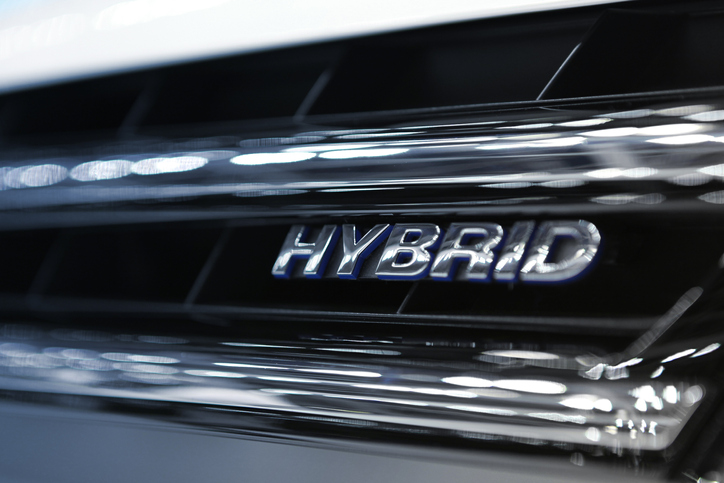
Ten years ago, more than one in two new vehicles in Europe ran on diesel. Today, that share has fallen to just 8%. In October 2025, rechargeable hybrids will account for 9.4% of the market, relegating diesel to fourth place. This development symbolises the end of an era when diesel dominated the roads.
Dieselgate accelerated this fall. Since 2017, petrol has regained the lead, followed by conventional hybrids in 2021, then electric vehicles in 2022. Plug-in hybrids are now the bronze medal. Buyers and manufacturers are adapting to this new reality.
Multiple factors behind the decline
There are several reasons for this fall. Firstly, the European Union’s strict anti-pollution standards have forced manufacturers to invest in electrification. Secondly, small urban diesel models have all but disappeared from the market.
What’s more, financial support and environmental bonuses clearly favour hybrid and electric engines. The planned ban on new combustion engines from 2035 is also encouraging customers and investors to abandon diesel. The combination of these factors makes a comeback unlikely.
The rise of hybrid and electric vehicles
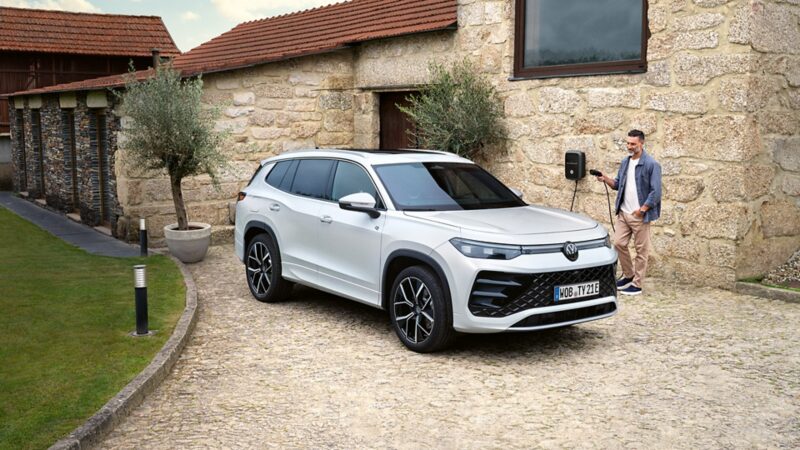
By 2025, hybrids will dominate the European market, accounting for 34.7% of registrations. Petrol will account for 26.9%, while electric vehicles will account for 18.3%. This breakdown should change further with the arrival of more affordable electric vehicles.
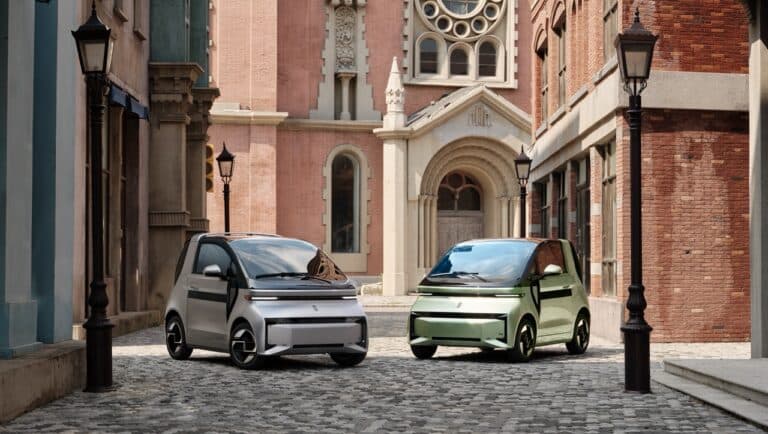
Renault and Volkswagen are actively preparing for this transition. Renault is unveiling its electric Twingo, while Volkswagen is planning the ID.Polo in 2026 and the ID.Every1 in 2027. The influx of competitive Chinese models should also speed up the adoption of electrified vehicles.
New car sales up sharply
In October 2025, more than 916,000 new vehicles were sold in the European Union, an increase of 5.8% compared with October 2024. This increase is being driven by hybrids and electric cars, which are growing in popularity month by month.
Plug-in hybrids now account for 9.1% of registrations, compared with 7% a year ago. Electric cars are also continuing to make progress, with a market share of 16.4% over ten months, although this is still insufficient to meet the 2035 targets.
Significant differences between manufacturers
Volkswagen remains the leader with 264,069 sales in October and 2.478 million over ten months. Stellantis was slightly up in October, but down for the year as a whole. Renault, on the other hand, posted a solid increase of 10% over the month and 7% over ten months, accounting for over 11% of the market.
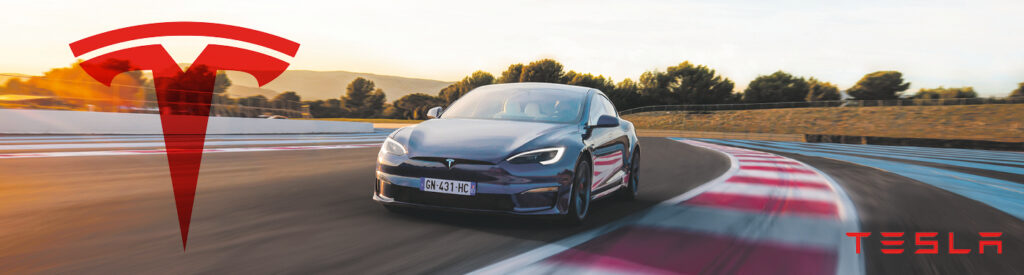
Tesla continues to decline sharply, with a fall of almost 48% in October and 39% over ten months, confirming the American manufacturer’s difficulty in keeping up with the European dynamic. These figures reflect a market in the throes of transformation, where electrification is now dictating the rules.
Towards a 100% electrified Europe?
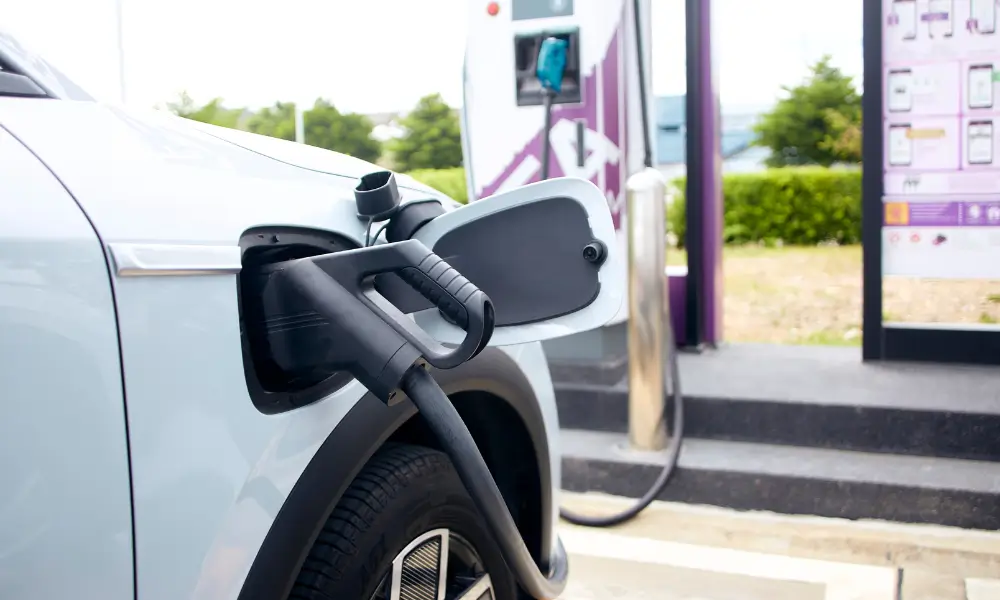
Diesel dominance is a thing of the past. Plug-in hybrids and electric vehicles are shaping the future of the European car. Sales and technological innovations show a clear trend towards mass electrification.
By 2035, Europe could no longer be selling any new combustion-powered vehicles. This rapid and sustained transition illustrates Europe’s determination to reduce emissions and promote more sustainable mobility. Diesel, once a staple, is now a thing of the past on the continent’s roads.