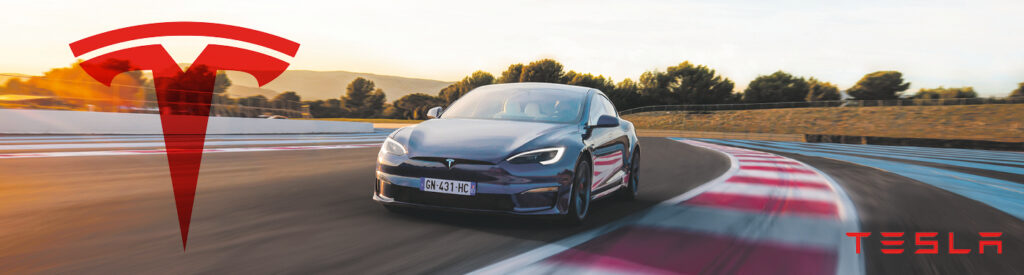


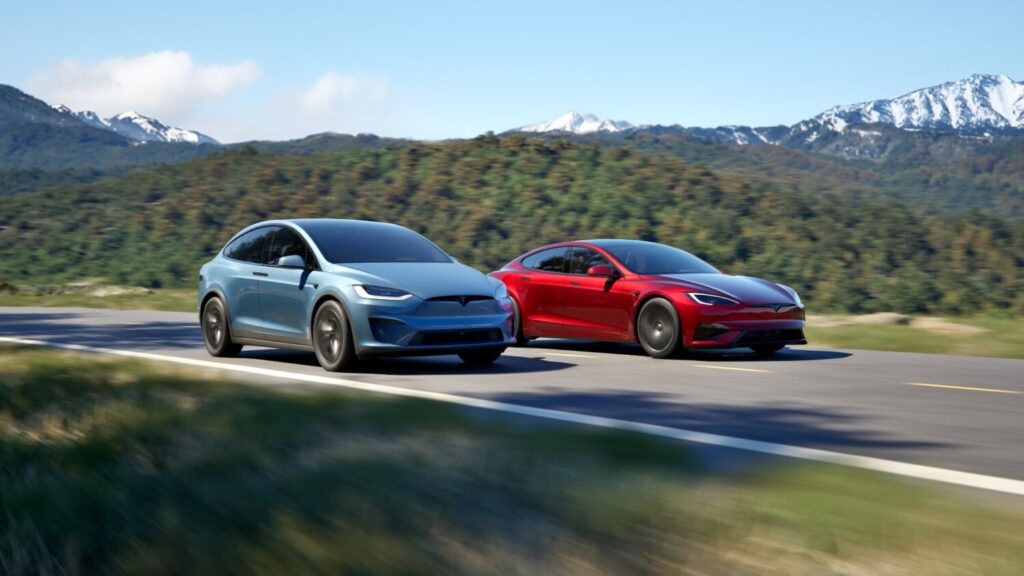
It’s now official. Following several weeks of speculation since the fourth-quarter 2025 results briefing, Tesla is discontinuing production of two of its most iconic models: the Model S and Model X. This is a momentous decision, marking both the end of an industrial cycle and a profound strategic shift for the American manufacturer.
A decision that had already been hinted at as early as January 2026
It all began in late January 2026, during the Q4 conference. At that time, Elon Musk stated: “It is time to put a definitive end to the Model S and X programmes.” “If you want to buy a Model S or X, now is the time to place your order. ” The CEO spoke of a reallocation of resources, a desire to optimise production lines and, above all, a repositioning of Tesla towards projects deemed more strategic. “We are going to focus on the products that have the greatest impact,” he explained in essence, suggesting that certain historic models are no longer a priority.
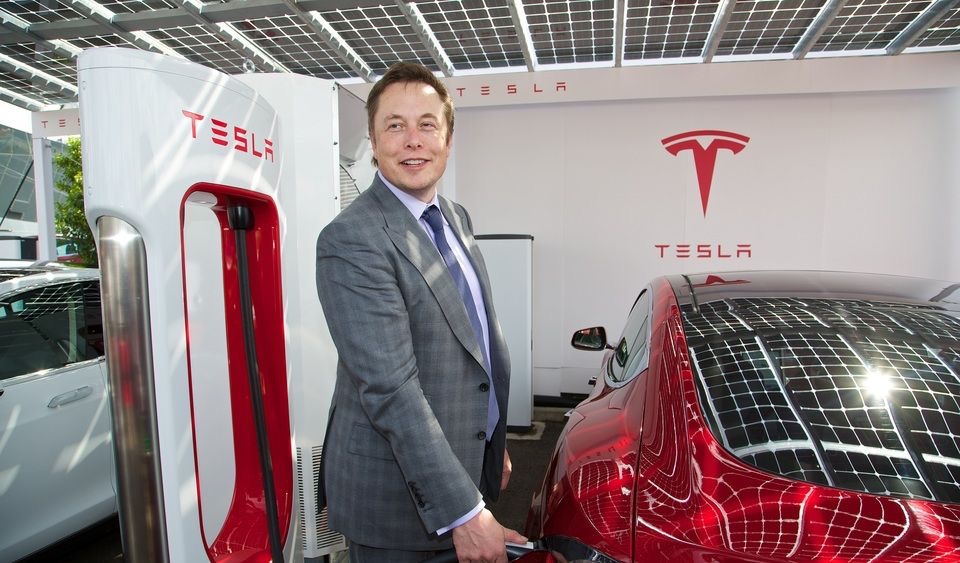
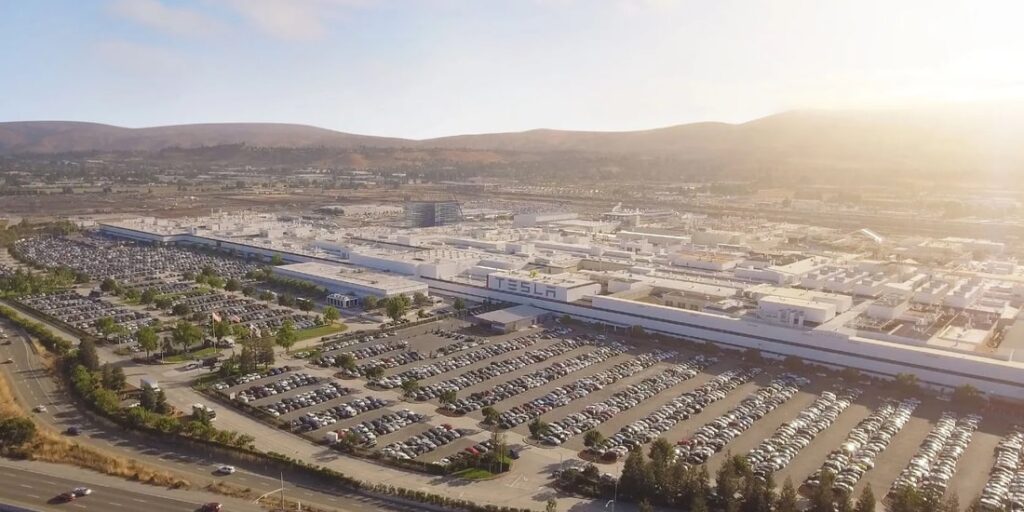
At the same time, another development has gone almost unnoticed: the gradual transformation of the factory in Fremont, California. As Tesla’s historic site, long dedicated to the Model S and Model X, Fremont is now set to take on a new role.
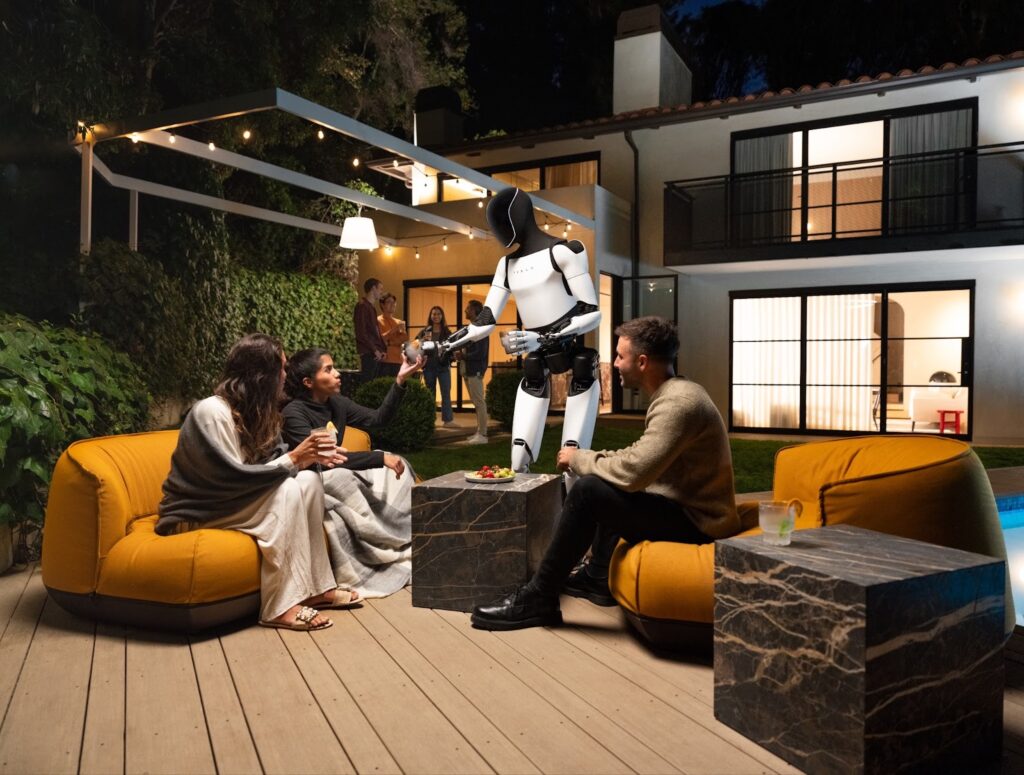
The aim is to house part of the production of the Optimus humanoid robot, which is billed as one of the group’s most ambitious projects. Elon Musk himself has stated that Tesla could eventually produce “millions of units” of this robot.
Production has come to a halt… and stocks are already running low
Production of the Model S and Model X has been permanently halted since early April 2026. The vehicles still available come solely from existing stock, and they are selling out fast. Indeed, according to EV-CPO data from seven days ago, there are currently approximately:
- 295 new Model S cars
- 301 brand-new Model Xs
And this is true on a global scale.
This is a particularly telling figure, especially given that almost all of these vehicles are located in the United States. In Europe and Canada, stocks have already run out. In practical terms, this means that these models are, in real time, transitioning from being available new to being end-of-life models, which will only be available second-hand.
Volumes that have become marginal in the face of industrial priorities
Behind the symbolic significance of this decision lies a far more pragmatic reality: that of sales volumes. In recent years, the Model S and Model X have accounted for only a marginal share of Tesla’s sales. Indeed, in 2025, the manufacturer’s high-end models, grouped under the ‘other vehicles’ category, totalled barely 50,850 units, compared with over 1.6 million Model 3s and Model Ys. A colossal gap, which clearly illustrates the shift in scale at Tesla.
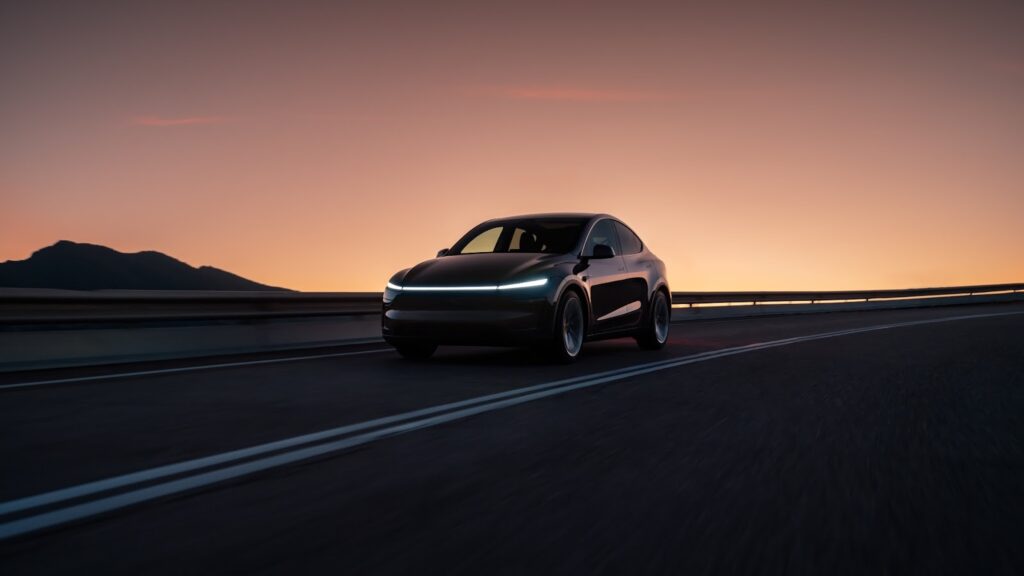
In this context, maintaining production lines dedicated to low-volume vehicles is becoming increasingly irrelevant. The strategy now lies elsewhere: optimising production capacity for mass-market models, reducing costs and ramping up production of the Model 3 and Model Y, which are the true pillars of the group’s profitability.
Added to this is a more profound transformation: the reallocation of resources towards new technological projects, particularly robotics. The Fremont factory, historically dedicated to the Model S and Model X, is thus set to play a key role in the development of the Optimus humanoid robot. This shift confirms that Tesla is no longer content merely to produce cars, but is reorganising its industrial infrastructure around its future priorities.
Pioneers who have redefined electric vehicles
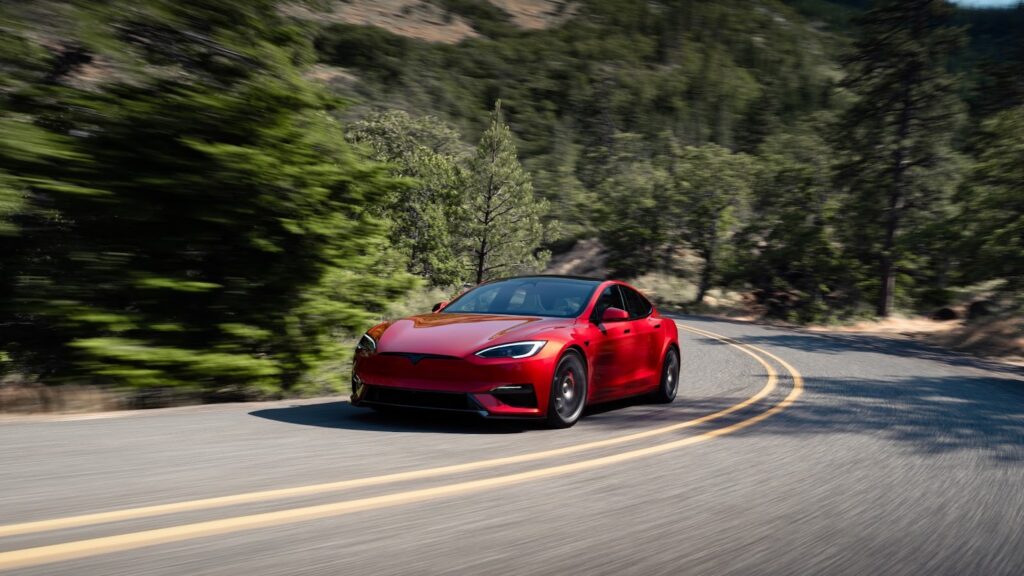
Beyond the business announcement, it is above all the symbolic significance of this decision that stands out. When it was launched in 2012, the Model S entered a market where electric cars were still a niche product, often perceived as underperforming and limited. Tesla completely changed the game.
The American saloon immediately sets new standards:
- a range of over 400 km from the very first generations,
- acceleration worthy of a sports car,
- a fully digital interface,
- and, above all, over-the-air (OTA) updates that transform the car over time.
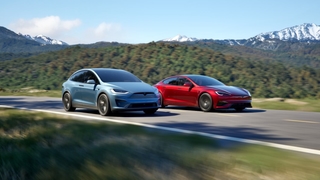
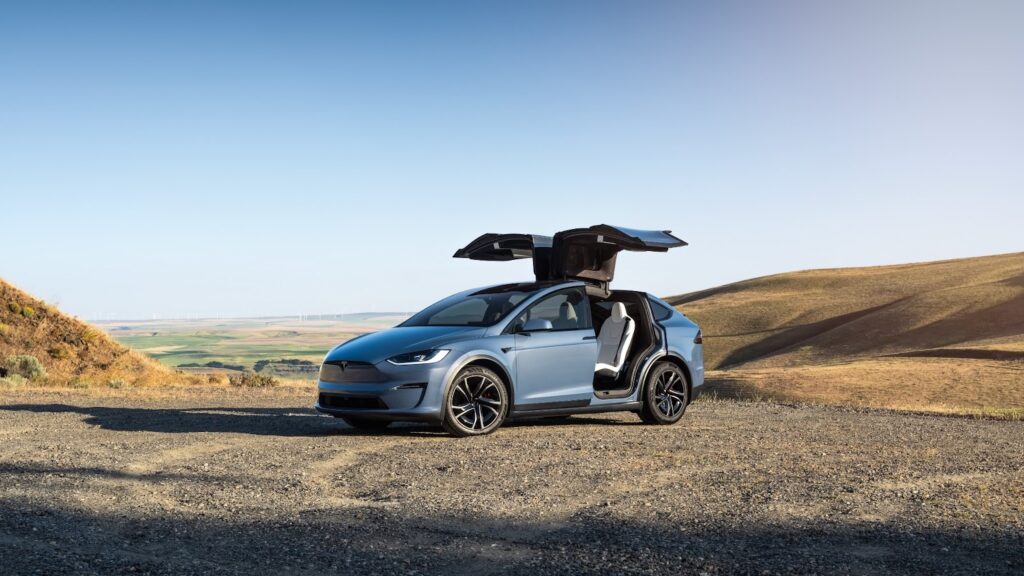
A few years later, the Model X rounded off this vision with an electric SUV that combines performance, technology and family-friendly practicality, whilst introducing standout features such as the Falcon Wing doors.
These two models have played a key role in driving the global market forward: they have demonstrated that an electric vehicle can compete with, or even outperform, premium combustion-engine models. They have also forced established manufacturers to respond, leading to a massive acceleration in their investment in electric vehicles.
A new chapter begins and a bold rebranding
With the discontinuation of the Model S and Model X, the strategy is now clear:
- focus on high-volume models such as the Model 3 and the Model Y,
- optimise costs and production,
- and, above all, invest heavily in disruptive technologies such as artificial intelligence and robotics.
This shift reflects a profound transformation at Tesla, which is gradually moving away from its status as a ‘traditional’ car manufacturer to become a multi-sector technology company.